


- Afhalen na 1 uur in een winkel met voorraad
- Gratis thuislevering in België vanaf € 30
- Ruim aanbod met 7 miljoen producten
- Afhalen na 1 uur in een winkel met voorraad
- Gratis thuislevering in België vanaf € 30
- Ruim aanbod met 7 miljoen producten





€ 63,60
+ 127 punten
Omschrijving
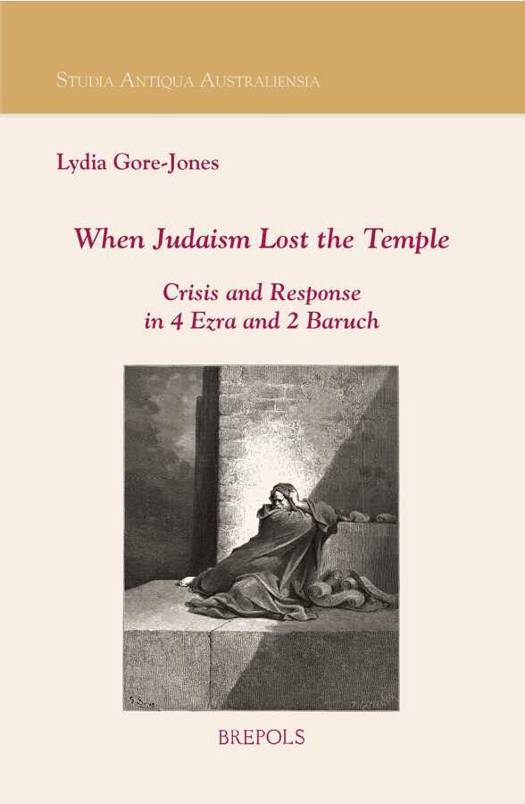
This book presents a study of religious thought in two Jewish apocalypses, 4 Ezra and 2 Baruch, written as a response to the destruction of the Jerusalem Temple by the Romans in 70 CE. The true nature of the crisis is the perceived loss of covenantal relationship between God and Israel, and the Jewish identity that is under threat. Discussions of various aspects of thought, including those conventionally termed theodicy, particularism and universalism, anthropology and soteriology, are subordinated under and contextualized within the larger issue of how the ancient authors propose to mend the traditional Deuteronomic covenantal theology now under crisis. Both 4 Ezra and 2 Baruch advocate a two-pronged solution of Torah and eschatology at the centre of their scheme to restore that covenant relationship in the absence of the Temple. Both maintain the Mosaic tradition as the bulwark for Israel's future survival and revival. Whereas 4 Ezra aims to implant its eschatology into the Sinaitic tradition and make it part of the Mosaic Law, 2 Baruch extends the Deuteronomic scheme of reward and retribution into an eschatological context, making the rewards of the end-time a solution to the cycle of sins and punishments of this age. Considerable emphases are also placed on the significance of the portrayals of the pseudonymous protagonists, Ezra and Baruch, the use of symbolism in the two texts as scriptural exegesis, as well as their relationship with each other and links with the Hebrew Bible and other Jewish and Christian writings.
Specificaties
Betrokkenen
- Auteur(s):
- Uitgeverij:
Inhoud
- Aantal bladzijden:
- 244
- Taal:
- Engels
- Reeks:
- Reeksnummer:
- nr. 10
Eigenschappen
- Productcode (EAN):
- 9782503586960
- Verschijningsdatum:
- 18/06/2020
- Uitvoering:
- Paperback
- Formaat:
- Trade paperback (VS)
- Afmetingen:
- 155 mm x 274 mm
- Gewicht:
- 453 g


Alleen bij Standaard Boekhandel
+ 127 punten op je klantenkaart van Standaard Boekhandel
Cadeau

AANGERADEN


Beoordelingen
We publiceren alleen reviews die voldoen aan de voorwaarden voor reviews. Bekijk onze voorwaarden voor reviews.