



- Afhalen na 1 uur in een winkel met voorraad
- In januari gratis thuislevering in België
- Ruim aanbod met 7 miljoen producten
- Afhalen na 1 uur in een winkel met voorraad
- In januari gratis thuislevering in België
- Ruim aanbod met 7 miljoen producten





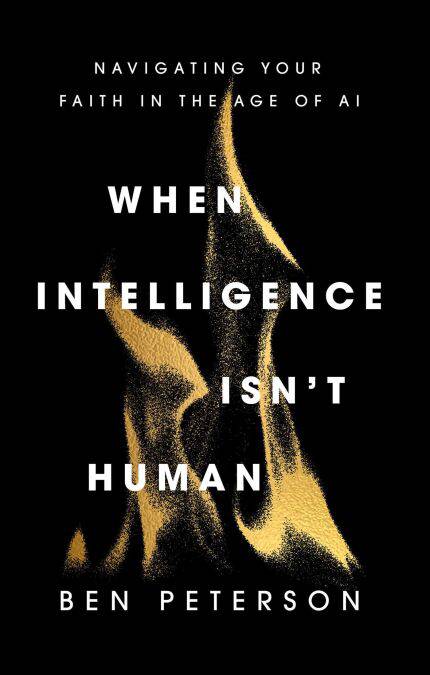
When Intelligence Isn't Human E-BOOK
Navigating Your Faith in the Age of AI
Ben Peterson
E-book | Engels
€ 16,76
+ 16 punten
Omschrijving
As artificial intelligence reshapes the world, this bold book asks the urgent question: how do we embrace technology without losing our humanity—or our faith?
Artificial intelligence is no longer the future. It’s now. And it’s reshaping how we think, live, and connect
From the algorithms guiding our phones to systems influencing culture, economics, and human connection, we are entering a new era—one that is quietly redefining identity, purpose, and faith.
In When Intelligence Isn’t Human, speaker and veteran advocate Ben Peterson examines one of the defining challenges of our time: how to navigate an advancing technological world without losing our humanity—or our faith.
Blending cultural insight, personal experience, and spiritual perspective, Peterson explores how AI is shaping our attention, our relationships, and even our sense of self. He unpacks the hidden influence of social media algorithms, the global push toward more powerful AI systems, and the broader cultural shifts changing how we understand truth, identity, and meaning.
This is not simply a warning about technology. It’s a call to clarity.
While technology continues to transform the world around us, it cannot satisfy the deeper ache for meaning, belonging, and direction. Peterson argues that this longing points beyond what machines can offer—and requires a different kind of response. With practical insight and a faith-centered framework, When Intelligence Isn’t Human challenges us to think clearly about the future, protect what matters most, and engage technology without losing our purpose.
Because as artificial intelligence accelerates, the real challenge isn’t whether the world will change. It’s whether we will remain human enough to navigate it with faith.
Artificial intelligence is no longer the future. It’s now. And it’s reshaping how we think, live, and connect
From the algorithms guiding our phones to systems influencing culture, economics, and human connection, we are entering a new era—one that is quietly redefining identity, purpose, and faith.
In When Intelligence Isn’t Human, speaker and veteran advocate Ben Peterson examines one of the defining challenges of our time: how to navigate an advancing technological world without losing our humanity—or our faith.
Blending cultural insight, personal experience, and spiritual perspective, Peterson explores how AI is shaping our attention, our relationships, and even our sense of self. He unpacks the hidden influence of social media algorithms, the global push toward more powerful AI systems, and the broader cultural shifts changing how we understand truth, identity, and meaning.
This is not simply a warning about technology. It’s a call to clarity.
While technology continues to transform the world around us, it cannot satisfy the deeper ache for meaning, belonging, and direction. Peterson argues that this longing points beyond what machines can offer—and requires a different kind of response. With practical insight and a faith-centered framework, When Intelligence Isn’t Human challenges us to think clearly about the future, protect what matters most, and engage technology without losing our purpose.
Because as artificial intelligence accelerates, the real challenge isn’t whether the world will change. It’s whether we will remain human enough to navigate it with faith.
Specificaties
Betrokkenen
- Auteur(s):
- Uitgeverij:
Inhoud
- Aantal bladzijden:
- 240
- Taal:
- Engels
Eigenschappen
- Productcode (EAN):
- 9781637636244
- Verschijningsdatum:
- 24/08/2026
- Uitvoering:
- E-book
- Beveiligd met:
- Adobe DRM
- Formaat:
- ePub


Alleen bij Standaard Boekhandel
+ 16 punten op je klantenkaart van Standaard Boekhandel
Cadeau

AANGERADEN


Beoordelingen
We publiceren alleen reviews die voldoen aan de voorwaarden voor reviews. Bekijk onze voorwaarden voor reviews.