


- Afhalen na 1 uur in een winkel met voorraad
- Gratis thuislevering in België vanaf € 30
- Ruim aanbod met 7 miljoen producten
- Afhalen na 1 uur in een winkel met voorraad
- Gratis thuislevering in België vanaf € 30
- Ruim aanbod met 7 miljoen producten





€ 191,95
+ 383 punten
Uitvoering
Omschrijving
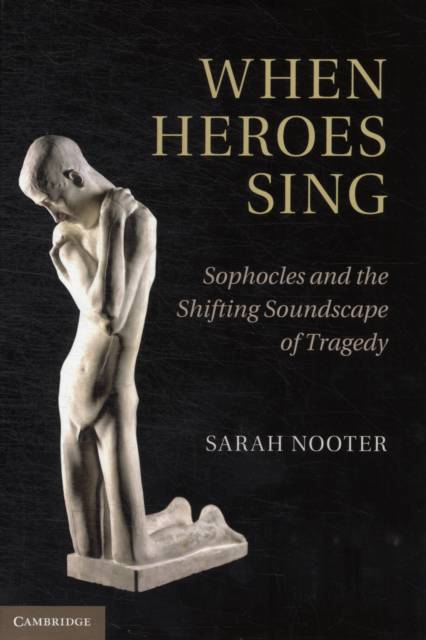
Sophoclean heroes engage in lyric song far more than other heroes of tragedy and this has profound implications for both the hero himself and tragedy as a genre. This lyrical voice grounds the heroes in a world of poetic identity and power, demonstrating how tragedy was influenced by other kinds of poetry in fifth-century Athens. Yet, at the same time, the heroes' lyrical voices set them apart from their communities and lend them the authority and abilities of poets. Through close readings, this book demonstrates how the voice of each hero is inflected by song and other markers of lyric poetry, in order to discuss the purpose of their lyric passages and the wider issue of defining the nature and function of the poetic voice. This study offers new insight into the ways that Sophoclean tragedy inherits and refracts the traditions of other poetic genres.
Specificaties
Betrokkenen
- Auteur(s):
- Uitgeverij:
Inhoud
- Aantal bladzijden:
- 208
- Taal:
- Engels
Eigenschappen
- Productcode (EAN):
- 9781107001619
- Verschijningsdatum:
- 31/05/2012
- Uitvoering:
- Hardcover
- Formaat:
- Genaaid
- Afmetingen:
- 147 mm x 229 mm
- Gewicht:
- 476 g


Alleen bij Standaard Boekhandel
+ 383 punten op je klantenkaart van Standaard Boekhandel
CADEAU

AANGERADEN


Beoordelingen
We publiceren alleen reviews die voldoen aan de voorwaarden voor reviews. Bekijk onze voorwaarden voor reviews.