


- Afhalen na 1 uur in een winkel met voorraad
- Gratis thuislevering in België vanaf € 30
- Ruim aanbod met 7 miljoen producten
- Afhalen na 1 uur in een winkel met voorraad
- Gratis thuislevering in België vanaf € 30
- Ruim aanbod met 7 miljoen producten





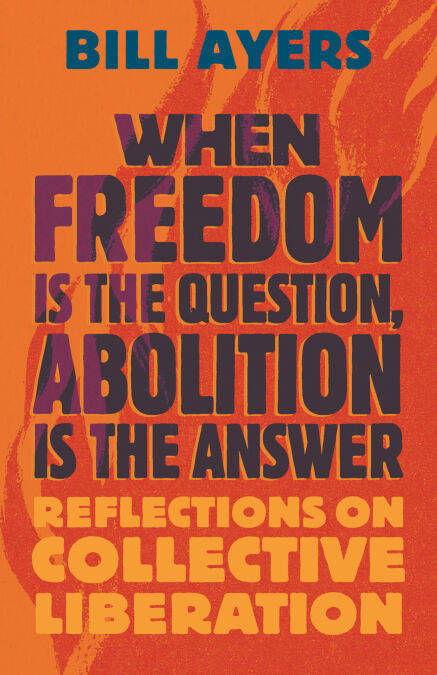
When Freedom Is the Question, Abolition Is the Answer E-BOOK
Reflections on Collective Liberation
Bill Ayers
E-book | Engels
€ 15,72
+ 15 punten
Omschrijving
An esteemed activist invites us to consider the complex idea of abolition as much more than a strategy or a set of tactics—at a deeper level, abolition is an entire political framework, culture, and orientation
Blending history and political theory and weaving in examples from literature, social movements, and his personal life, this book is a useful resource and primer for those interested in fighting for social justice. Guided by questions like what is freedom?, how do we get free?, and what are the freedom dreams that encourage us and drive us forward?, esteemed activist Bill Ayers explores the concept of freedom in eight essays:
Freedom/Unfreedom takes off from the Black Freedom Movement in the 20th Century as a template for social justice movements that followed, and begins to illuminate the idea of freedom in light of what folks come together to oppose. Freedom’s Paradox offers examples of a contradiction (from Frederick Douglass to the French Resistance to the Panthers)—even, or especially, in the most dire circumstances, people testify to “being free” at the moment they identify and unite to oppose unfreedom. Social Freedom/Individual Liberty directly takes on the link between the individual and the social when freedom is the question. Freedom, Anarchism, and Socialism takes off from the idea that freedom without socialism is predation and exploitation, and that socialism without freedom is bondage and subjugation. Freedom, Truth, and Repair considers reparations as a necessary step in any honest attempt toward authentic reconciliation. Organizing Freedom is a primer on organizing, strategy, and tactics for freedom fighters. Teach Freedom considers what an education for free people entails. Freedom and Abolition connects an enriched understanding of what freedom entails with an embrace of abolitionist politics.
Blending history and political theory and weaving in examples from literature, social movements, and his personal life, this book is a useful resource and primer for those interested in fighting for social justice. Guided by questions like what is freedom?, how do we get free?, and what are the freedom dreams that encourage us and drive us forward?, esteemed activist Bill Ayers explores the concept of freedom in eight essays:
Freedom/Unfreedom takes off from the Black Freedom Movement in the 20th Century as a template for social justice movements that followed, and begins to illuminate the idea of freedom in light of what folks come together to oppose. Freedom’s Paradox offers examples of a contradiction (from Frederick Douglass to the French Resistance to the Panthers)—even, or especially, in the most dire circumstances, people testify to “being free” at the moment they identify and unite to oppose unfreedom. Social Freedom/Individual Liberty directly takes on the link between the individual and the social when freedom is the question. Freedom, Anarchism, and Socialism takes off from the idea that freedom without socialism is predation and exploitation, and that socialism without freedom is bondage and subjugation. Freedom, Truth, and Repair considers reparations as a necessary step in any honest attempt toward authentic reconciliation. Organizing Freedom is a primer on organizing, strategy, and tactics for freedom fighters. Teach Freedom considers what an education for free people entails. Freedom and Abolition connects an enriched understanding of what freedom entails with an embrace of abolitionist politics.
Specificaties
Betrokkenen
- Auteur(s):
- Uitgeverij:
Inhoud
- Aantal bladzijden:
- 136
- Taal:
- Engels
Eigenschappen
- Productcode (EAN):
- 9780807020357
- Verschijningsdatum:
- 9/09/2024
- Uitvoering:
- E-book
- Beveiligd met:
- Adobe DRM
- Formaat:
- ePub


Alleen bij Standaard Boekhandel
+ 15 punten op je klantenkaart van Standaard Boekhandel
Cadeau

AANGERADEN


Beoordelingen
We publiceren alleen reviews die voldoen aan de voorwaarden voor reviews. Bekijk onze voorwaarden voor reviews.