


- Afhalen na 1 uur in een winkel met voorraad
- Gratis thuislevering in België vanaf € 30
- Ruim aanbod met 7 miljoen producten
- Afhalen na 1 uur in een winkel met voorraad
- Gratis thuislevering in België vanaf € 30
- Ruim aanbod met 7 miljoen producten





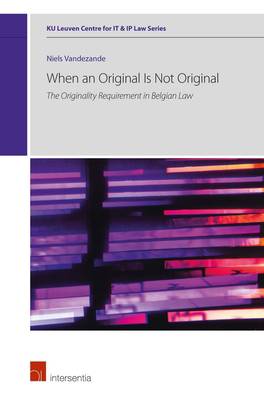
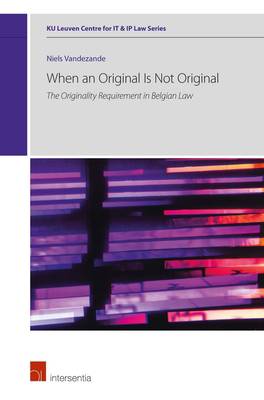
When an Original Is Not Original
The Originality Requirement in Belgian Law Volume 4
Niels Vandezande
€ 81,00
+ 162 punten
Omschrijving
Originality is an important element in different branches of law. For instance, under Belgian contract law, a written mutual agreement must be drafted in as many originals as there are parties. In other branches of law, there are requirements for the preservation of original documents. However, while originality may be an element common to different branches of law, there are clear indications that the precise meaning of this notion may be rather divergent between them. Moreover, the introduction of digital processes in many aspects of law has provided another dimension to this matter, as originality remains a difficult element to apply in the realm of electronic information.Currently, there are little to no guidelines on how to establish when electronic information is original and when it is not. Therefore, it is the aim of this book to analyse a select number of incarnations of the originality requirement in different branches of Belgian law in order to establish whether common elements or a common root can be found. These findings will subsequently be applied to the practice of digitalization in law in order to gain a better understanding of how the concept of originality should be interpreted in this matter.At a time when issues arising from digitalization in law are increasingly prevalent, this book aims to provide the reader with an examination of the current situation and attempts to find a uniform legal definition for the concept of originality that would be applicable across different branches of law.
Specificaties
Betrokkenen
- Auteur(s):
- Uitgeverij:
Inhoud
- Aantal bladzijden:
- 174
- Taal:
- Engels
- Reeks:
- Reeksnummer:
- nr. 4
Eigenschappen
- Productcode (EAN):
- 9781780687605
- Verschijningsdatum:
- 4/01/2019
- Uitvoering:
- Hardcover
- Formaat:
- Genaaid
- Afmetingen:
- 160 mm x 240 mm
- Gewicht:
- 471 g


Alleen bij Standaard Boekhandel
+ 162 punten op je klantenkaart van Standaard Boekhandel
Cadeau

AANGERADEN


Beoordelingen
We publiceren alleen reviews die voldoen aan de voorwaarden voor reviews. Bekijk onze voorwaarden voor reviews.