


- Afhalen na 1 uur in een winkel met voorraad
- Gratis thuislevering in België vanaf € 30
- Ruim aanbod met 7 miljoen producten
- Afhalen na 1 uur in een winkel met voorraad
- Gratis thuislevering in België vanaf € 30
- Ruim aanbod met 7 miljoen producten





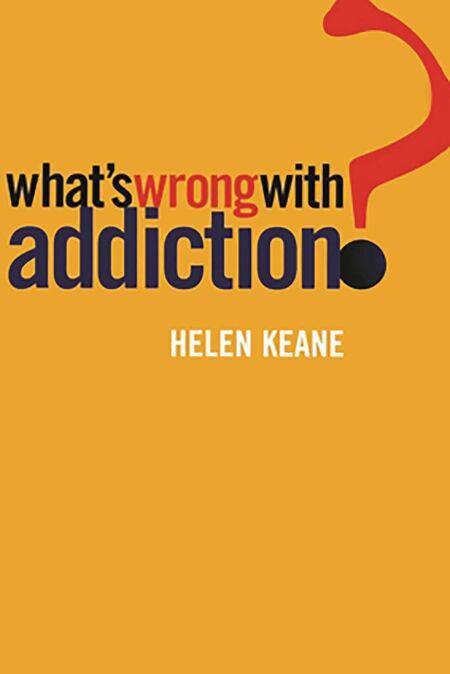
Omschrijving
This is an impressive work: carefully structured, researched and written . . . a refreshingly lucid account that is both intellectually stimulating and professionally helpful.-Janet McCalman Addicts are generally regarded with either pity or grave disapproval. But is being addicted to something necessarily bad? These attitudes are explicit both in contemporary medical literature and in popular, self-help texts. We categorise addiction as unnatural, diseased and self-destructive. We demonise pleasure and desire, and view the addict as physically and morally damaged. Helen Keane's thought-provoking text examines these assumptions in a new light. In asserting that the 'wrongness' of addiction is not fixed or indeed obvious, she presents a refreshing challenge to more conventional accounts of addiction. She also investigates the notion that people can be addicted to eating, love and sex, just as they are to drugs and alcohol. What's Wrong with Addiction? shows that most of our ideas about addiction take certain ideals of health and normality for granted. It exposes strains in our society's oppositions between health and disease, between the natural and the artificial, between order and disorder, and between self and other.
Specificaties
Betrokkenen
- Auteur(s):
- Uitgeverij:
Inhoud
- Aantal bladzijden:
- 236
- Taal:
- Engels
Eigenschappen
- Productcode (EAN):
- 9780522863611
- Verschijningsdatum:
- 31/03/2013
- Uitvoering:
- E-book
- Beveiligd met:
- Adobe DRM
- Formaat:
- ePub


Alleen bij Standaard Boekhandel
+ 14 punten op je klantenkaart van Standaard Boekhandel
AANGERADEN


Beoordelingen
We publiceren alleen reviews die voldoen aan de voorwaarden voor reviews. Bekijk onze voorwaarden voor reviews.