


- Afhalen na 1 uur in een winkel met voorraad
- Gratis thuislevering in België vanaf € 30
- Ruim aanbod met 7 miljoen producten
- Afhalen na 1 uur in een winkel met voorraad
- Gratis thuislevering in België vanaf € 30
- Ruim aanbod met 7 miljoen producten




€ 16,76
+ 16 punten
Uitvoering
Omschrijving
*** OVER 85,000 COPIES SOLD ***
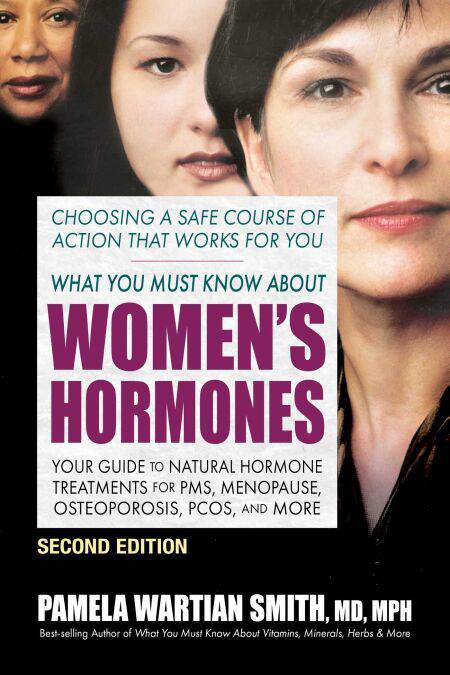
Hormonal imbalances can occur at any age—before, during, or after menopause. The reasons for these imbalances vary widely, and can include heredity, environment, nutrition, and aging. While most hormone-related problems are associated with menopause, the fact is that fluctuating hormonal levels can also cause a variety of other conditions; and for some women, the effects can be truly debilitating. In this new and expanded edition of What You Must Know About Women’s Hormones, bestselling author Dr. Pamela Wartian Smith has provided a clear and concise guide to the treatments of hormonal irregularities without the health risks associated with standard hormone replacement therapy.
This book is divided into three parts. Part I describes the body’s own hormones, looking at their functions and the different side effects that can occur if these hormones are not at optimal levels. Part II focuses on the most common problems that arise from hormonal imbalances, such as PMS, hot flashes, postpartum depression, and endometriosis. You will learn that even disorders that seemingly have nothing to do with hormones, such as heart disease and osteoporosis, can be affected by a hormonal imbalance. Lastly, Part III details hormone replacement therapy, focusing on the difference between natural and synthetic hormone treatments. It explains how you can have your hormonal levels measured, and provides examples of the various hormone replacement therapies available. In addition, there is now a helpful table on the various ways to treat insulin resistance, a key factor in creating hormone imbalance.
Whether you are looking for help with menopausal symptoms or you simply want to enjoy vibrant health and well-being, this new edition of What You Must Know About Women’s Hormones can make a profound difference in the quality of your life.
Hormonal imbalances can occur at any age—before, during, or after menopause. The reasons for these imbalances vary widely, and can include heredity, environment, nutrition, and aging. While most hormone-related problems are associated with menopause, the fact is that fluctuating hormonal levels can also cause a variety of other conditions; and for some women, the effects can be truly debilitating. In this new and expanded edition of What You Must Know About Women’s Hormones, bestselling author Dr. Pamela Wartian Smith has provided a clear and concise guide to the treatments of hormonal irregularities without the health risks associated with standard hormone replacement therapy.
This book is divided into three parts. Part I describes the body’s own hormones, looking at their functions and the different side effects that can occur if these hormones are not at optimal levels. Part II focuses on the most common problems that arise from hormonal imbalances, such as PMS, hot flashes, postpartum depression, and endometriosis. You will learn that even disorders that seemingly have nothing to do with hormones, such as heart disease and osteoporosis, can be affected by a hormonal imbalance. Lastly, Part III details hormone replacement therapy, focusing on the difference between natural and synthetic hormone treatments. It explains how you can have your hormonal levels measured, and provides examples of the various hormone replacement therapies available. In addition, there is now a helpful table on the various ways to treat insulin resistance, a key factor in creating hormone imbalance.
Whether you are looking for help with menopausal symptoms or you simply want to enjoy vibrant health and well-being, this new edition of What You Must Know About Women’s Hormones can make a profound difference in the quality of your life.
Specificaties
Betrokkenen
- Auteur(s):
- Uitgeverij:
Inhoud
- Aantal bladzijden:
- 416
- Taal:
- Engels
Eigenschappen
- Productcode (EAN):
- 9780757055188
- Verschijningsdatum:
- 27/06/2022
- Uitvoering:
- E-book
- Beveiligd met:
- Adobe DRM
- Formaat:
- ePub



Alleen bij Standaard Boekhandel
+ 16 punten op je klantenkaart van Standaard Boekhandel
AANGERADEN


Beoordelingen
We publiceren alleen reviews die voldoen aan de voorwaarden voor reviews. Bekijk onze voorwaarden voor reviews.