


- Afhalen na 1 uur in een winkel met voorraad
- Gratis thuislevering in België vanaf € 30
- Ruim aanbod met 7 miljoen producten
- Afhalen na 1 uur in een winkel met voorraad
- Gratis thuislevering in België vanaf € 30
- Ruim aanbod met 7 miljoen producten





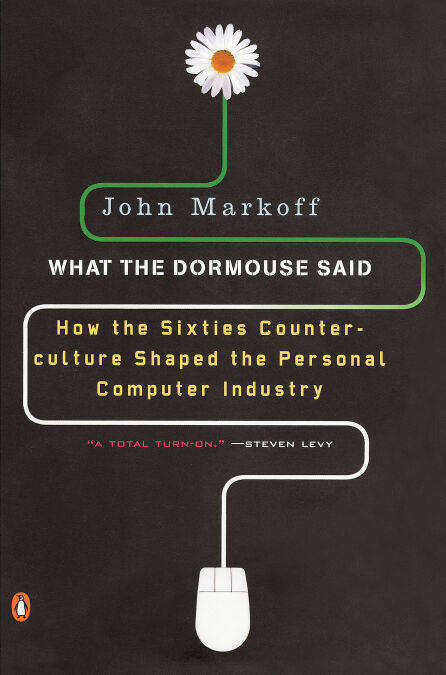
What the Dormouse Said E-BOOK
How the Sixties Counterculture Shaped the Personal Computer Industry
John Markoff
E-book | Engels
€ 11,55
+ 11 punten
Uitvoering
Omschrijving
“This makes entertaining reading. Many accounts of the birth of personal computing have been written, but this is the first close look at the drug habits of the earliest pioneers.” —New York Times
Most histories of the personal computer industry focus on technology or business. John Markoff’s landmark book is about the culture and consciousness behind the first PCs—the culture being counter– and the consciousness expanded, sometimes chemically. It’s a brilliant evocation of Stanford, California, in the 1960s and ’70s, where a group of visionaries set out to turn computers into a means for freeing minds and information. In these pages one encounters Ken Kesey and the phone hacker Cap’n Crunch, est and LSD, The Whole Earth Catalog and the Homebrew Computer Lab. What the Dormouse Said is a poignant, funny, and inspiring book by one of the smartest technology writers around.
Most histories of the personal computer industry focus on technology or business. John Markoff’s landmark book is about the culture and consciousness behind the first PCs—the culture being counter– and the consciousness expanded, sometimes chemically. It’s a brilliant evocation of Stanford, California, in the 1960s and ’70s, where a group of visionaries set out to turn computers into a means for freeing minds and information. In these pages one encounters Ken Kesey and the phone hacker Cap’n Crunch, est and LSD, The Whole Earth Catalog and the Homebrew Computer Lab. What the Dormouse Said is a poignant, funny, and inspiring book by one of the smartest technology writers around.
Specificaties
Betrokkenen
- Auteur(s):
- Uitgeverij:
Inhoud
- Aantal bladzijden:
- 352
- Taal:
- Engels
Eigenschappen
- Productcode (EAN):
- 9781101201084
- Verschijningsdatum:
- 20/04/2005
- Uitvoering:
- E-book
- Beveiligd met:
- Adobe DRM
- Formaat:
- ePub


Alleen bij Standaard Boekhandel
+ 11 punten op je klantenkaart van Standaard Boekhandel
Cadeau

AANGERADEN


Beoordelingen
We publiceren alleen reviews die voldoen aan de voorwaarden voor reviews. Bekijk onze voorwaarden voor reviews.