


- Afhalen na 1 uur in een winkel met voorraad
- Gratis thuislevering in België vanaf € 30
- Ruim aanbod met 7 miljoen producten
- Afhalen na 1 uur in een winkel met voorraad
- Gratis thuislevering in België vanaf € 30
- Ruim aanbod met 7 miljoen producten





€ 43,45
+ 86 punten
Omschrijving
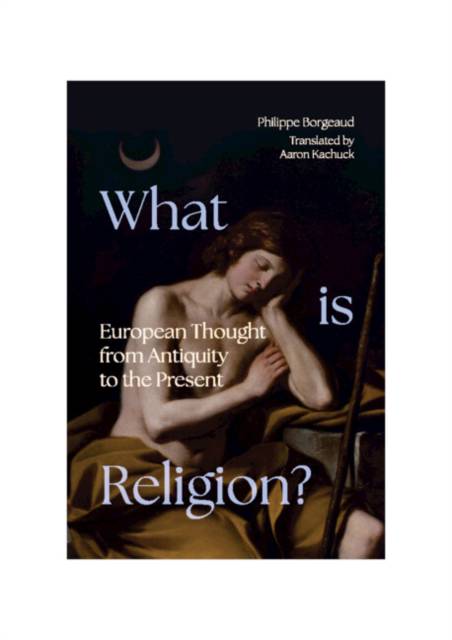
How should we explain differences in religious belief and practice? Philippe Borgeaud's ambitious intellectual history tells the story of how reflection on religious phenomena emerged, throughout the centuries, in European consciousness and scholarship. Christianity in particular, as Borgeaud shows, long wrestled with how to understand polytheistic cultures versus its own belief in a single omnipotent God. The Church Fathers, the author argues, sought to inherit the core of Graeco-Roman culture while rejecting its deities and religious practices; and patristic ideas were later adopted when Europeans travelling and colonising the world encountered ever more varied polytheistic traditions. At times detached, at times enchanted, these travellers' reflections provided the basis for the modern study of 'religions', and have since conditioned the mindset of anyone brought up in a European culture. The book concludes by arguing for the importance of liberation from these assumptions and instead considering religion as a form of 'play'.
Specificaties
Betrokkenen
- Auteur(s):
- Vertaler(s):
- Uitgeverij:
Inhoud
- Aantal bladzijden:
- 204
- Taal:
- Engels
- Reeks:
Eigenschappen
- Productcode (EAN):
- 9781009220347
- Verschijningsdatum:
- 30/06/2026
- Uitvoering:
- Hardcover
- Formaat:
- Genaaid


Alleen bij Standaard Boekhandel
+ 86 punten op je klantenkaart van Standaard Boekhandel
Cadeau

AANGERADEN


Beoordelingen
We publiceren alleen reviews die voldoen aan de voorwaarden voor reviews. Bekijk onze voorwaarden voor reviews.