


- Afhalen na 1 uur in een winkel met voorraad
- Gratis thuislevering in België vanaf € 30
- Ruim aanbod met 7 miljoen producten
- Afhalen na 1 uur in een winkel met voorraad
- Gratis thuislevering in België vanaf € 30
- Ruim aanbod met 7 miljoen producten





€ 158,95
+ 317 punten
Uitvoering
Omschrijving
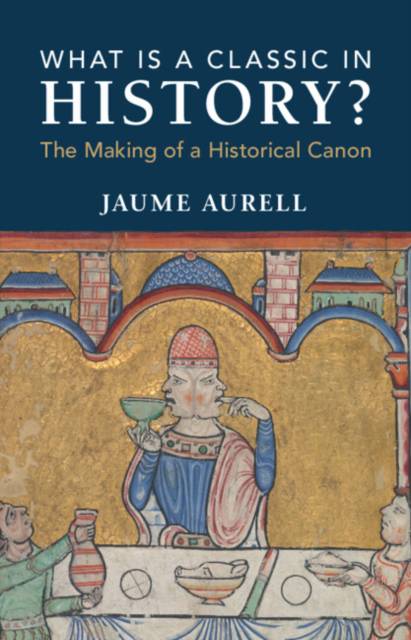
What is a classic in historical writing? How do we explain the continued interest in certain historical texts, even when their accounts and interpretations of particular periods have been displaced or revised by newer generations of historians? How do these texts help to maintain the historiographical canon? Jaume Aurell's innovative study ranges from the heroic writings of ancient Greek historians such as Herodotus to the twentieth century microhistories of Carlo Ginzburg. The book explores how certain texts have been able to stand the test of time, gain their status as historiographical classics, and capture the imaginations of readers across generations. Investigating the processes of permanence and change in both historiography and history, Aurell further examines the creation of historical genres and canons. Taking influence from methodologies including sociology, literary criticism, theology, and postcolonial studies, What Is a Classic in History? encourages readers to re-evaluate their ideas of history and historiography alike.
Specificaties
Betrokkenen
- Auteur(s):
- Uitgeverij:
Inhoud
- Aantal bladzijden:
- 354
- Taal:
- Engels
Eigenschappen
- Productcode (EAN):
- 9781009469968
- Verschijningsdatum:
- 22/02/2024
- Uitvoering:
- Hardcover
- Formaat:
- Genaaid
- Afmetingen:
- 140 mm x 216 mm
- Gewicht:
- 553 g


Alleen bij Standaard Boekhandel
+ 317 punten op je klantenkaart van Standaard Boekhandel
Cadeau

AANGERADEN


Beoordelingen
We publiceren alleen reviews die voldoen aan de voorwaarden voor reviews. Bekijk onze voorwaarden voor reviews.