


- Afhalen na 1 uur in een winkel met voorraad
- Gratis thuislevering in België vanaf € 30
- Ruim aanbod met 7 miljoen producten
- Afhalen na 1 uur in een winkel met voorraad
- Gratis thuislevering in België vanaf € 30
- Ruim aanbod met 7 miljoen producten





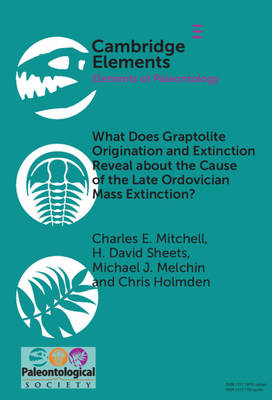
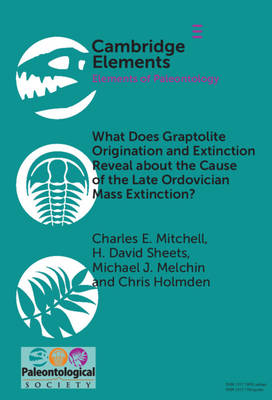
What Does Graptolite Origination and Extinction Reveal about the Cause of the Late Ordovician Mass Extinction?
Charles E Mitchell, H David Sheets, Michael J Melchin, Chris Holmden
€ 124,45
+ 248 punten
Uitvoering
Omschrijving
Assesses the macroevolutionary turnover of paleotropical planktic graptolites during the Late Ordovician Mass Extinction (LOME) via automated sequencing and capture-mark-recapture modeling. Graptolites exhibited a succession of turnover pulses (sensu Elizabeth Vrba) that were coincident with the main phases of the Hirnantian glaciation and during which the Diplograptina experienced declining metapopulation size, elevated extinction, zero species originations, and ultimately, complete extermination. Concurrently, the Neograptina (latest Katian temperate zone immigrants) exhibit pulses of both extinction and adaptive radiation. Thus, the LOME involved intense species selection and the wholesale alteration of the clade diversity structure of a major element of the zooplankton. The LOME is unlikely to have been a direct effect of ocean anoxia or sampling bias but rather resulted from Hirnantian climate change, which altered nutrient supplies and plankton community compositions along with ecological displacement and loss of habitat that together drove the succession of turnover pulses. This title is also available as open access on Cambridge Core.
Specificaties
Betrokkenen
- Auteur(s):
- Uitgeverij:
Inhoud
- Aantal bladzijden:
- 88
- Taal:
- Engels
- Reeks:
Eigenschappen
- Productcode (EAN):
- 9781009684101
- Verschijningsdatum:
- 5/02/2026
- Uitvoering:
- Hardcover
- Formaat:
- Genaaid
- Afmetingen:
- 152 mm x 229 mm
- Gewicht:
- 290 g


Alleen bij Standaard Boekhandel
+ 248 punten op je klantenkaart van Standaard Boekhandel
Cadeau

AANGERADEN


Beoordelingen
We publiceren alleen reviews die voldoen aan de voorwaarden voor reviews. Bekijk onze voorwaarden voor reviews.