



Je cadeautjes zeker op tijd in huis hebben voor de feestdagen? Kom langs in onze winkels en vind het perfecte geschenk!
- Afhalen na 1 uur in een winkel met voorraad
- Gratis thuislevering in België vanaf € 30
- Ruim aanbod met 7 miljoen producten
Je cadeautjes zeker op tijd in huis hebben voor de feestdagen? Kom langs in onze winkels en vind het perfecte geschenk!
- Afhalen na 1 uur in een winkel met voorraad
- Gratis thuislevering in België vanaf € 30
- Ruim aanbod met 7 miljoen producten





€ 19,95
+ 39 punten
Omschrijving
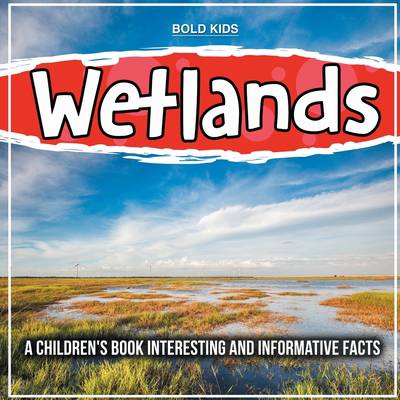
You've probably heard about the importance of wetlands in our environment, but you might be wondering what exactly a wetland is. The fact is, a wetland is a special type of ecosystem, in which the soils are permanently or seasonally flooded. Because the land is permanently or seasonally flooded, oxygen-free processes thrive there. There are two main types of wetlands: salt marshes and freshwater bogs. Wetlands are a vital resource for life on earth. In addition to drinking water, they also provide a host of other services, such as irrigation and sanitation. During flooding events, wetlands slow the waters down with their specialized vegetation, slowing them down. This action reduces flood heights and erosion. By storing and braking water, wetlands act like natural sponges, slowing the flow of flood waters. Wetlands are the perfect habitat for a variety of animals. About 150 different species of birds depend on wetlands to survive. In fact, 80% of all breeding birds require swamps for their survival. Other animals that live in wetlands include sloths, waterbucks, tigers, and bears. Many different kinds of plants and animals also find homes in wetlands, including mangrove species, elks, and deer. Wetlands are found in every continent except for Antarctica. They can be found on every continent, except for the Antarctic continent, which has very extreme climate conditions. Despite their name, wetlands are actually quite common. In fact, 99 percent of all wetlands are privately owned. There are countless different types of wetlands and wetland habitats. If you haven't visited one, now is the time to learn about them!


Alleen bij Standaard Boekhandel
+ 39 punten op je klantenkaart van Standaard Boekhandel
CADEAU


Beoordelingen
We publiceren alleen reviews die voldoen aan de voorwaarden voor reviews. Bekijk onze voorwaarden voor reviews.