


- Afhalen na 1 uur in een winkel met voorraad
- Gratis thuislevering in België vanaf € 30
- Ruim aanbod met 7 miljoen producten
- Afhalen na 1 uur in een winkel met voorraad
- Gratis thuislevering in België vanaf € 30
- Ruim aanbod met 7 miljoen producten




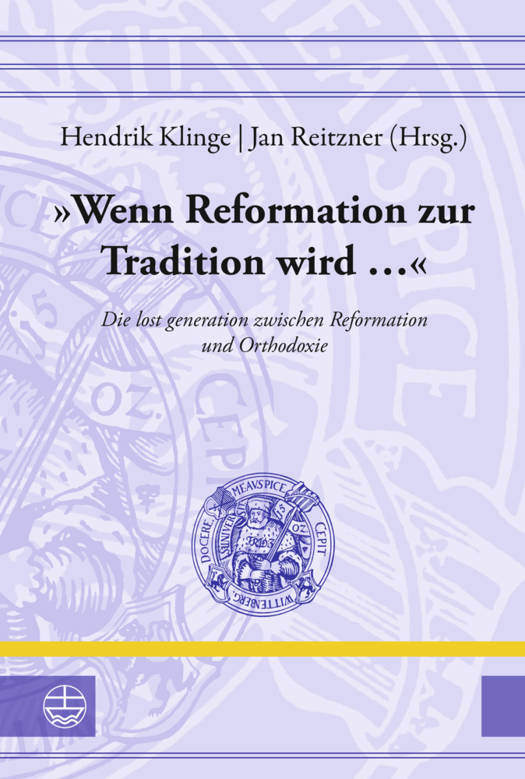
Wenn Reformation Zur Tradition Wird ...
Die Lost Generation Zwischen Reformation Und Orthodoxie
Hardcover | Duits | Leucorea-Studien zur Geschichte der Reformation und der Lutherischen Orthodoxie (LStRLO) | nr. 46
€ 96,95
+ 193 punten
Omschrijving
When does the Reformation itself become tradition? Or: How does Luther's theology become Lutheran theology? These questions arise with great urgency in the period between the anniversary years 2017 and 2030. The conference on which this volume is based, held on the occasion of the 500th birthday of Martin Chemnitz, attempts to emphasise the plurality and dynamism of those processes, as well as to highlight the Reformation heritage in its entirety for systematic reasons. First, Martin Chemnitz is analysed as an example; second, the relationship between the Reformation and tradition among his contemporaries is examined; third, hymns and sermons are studied as exemplary practices of the time; and finally, the book concludes with overarching perspectives on the history of theology. The hope associated with this volume is that the lost generation will not become a forgotten generation, but that awareness will be raised of how a tradition emerged from the dawn of the Reformation itself.
Specificaties
Betrokkenen
- Uitgeverij:
Inhoud
- Taal:
- Duits
- Reeks:
- Reeksnummer:
- nr. 46
Eigenschappen
- Productcode (EAN):
- 9783374080151
- Verschijningsdatum:
- 20/03/2026
- Uitvoering:
- Hardcover
- Formaat:
- Genaaid
- Afmetingen:
- 165 mm x 23 mm
- Gewicht:
- 573 g

Alleen bij Standaard Boekhandel
+ 193 punten op je klantenkaart van Standaard Boekhandel
AANGERADEN


Beoordelingen
We publiceren alleen reviews die voldoen aan de voorwaarden voor reviews. Bekijk onze voorwaarden voor reviews.