



Je cadeautjes zeker op tijd in huis hebben voor de feestdagen? Kom langs in onze winkels en vind het perfecte geschenk!
- Afhalen na 1 uur in een winkel met voorraad
- Gratis thuislevering in België vanaf € 30
- Ruim aanbod met 7 miljoen producten
Je cadeautjes zeker op tijd in huis hebben voor de feestdagen? Kom langs in onze winkels en vind het perfecte geschenk!
- Afhalen na 1 uur in een winkel met voorraad
- Gratis thuislevering in België vanaf € 30
- Ruim aanbod met 7 miljoen producten





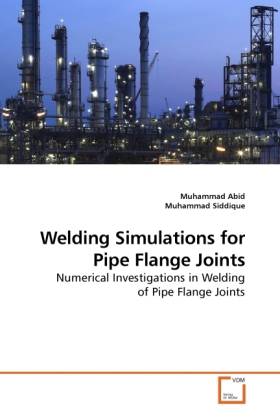
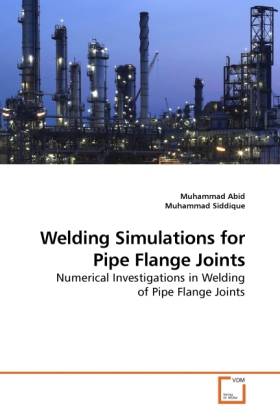
Welding Simulations for Pipe Flange Joints
Numerical Investigations in Welding of Pipe Flange Joints
Muhammad Abid
Paperback | Engels
€ 99,95
+ 199 punten
Omschrijving
Use of bolted flanged pipe joints is very common in petrochemical, nuclear and process industry. Welding of pipe to flange results in residual stress built up and distortions which provide negative effects on the structural integrity and sealing capability of the pipe-flange joint. The effects include stress corrosion cracking, brittle fracture, reduced fatigue and creep strengths, poor sealing performance and reduced buckling strength etc. This book presents methodology to investigate the extent and distribution of residual stress built up and distortions in the welded pipe-flange joints using numerical techniques. The effects of welding parameters, welding procedure, applied mechanical constraints on residual stress built-up and distortions are evaluated. Effort are made to suggest the preventive or corrective measures for the reduction of welding distortions and residual stresses to improve the performance and service life of welded pipe-flange joints.
Specificaties
Betrokkenen
- Auteur(s):
- Uitgeverij:
Inhoud
- Aantal bladzijden:
- 200
- Taal:
- Engels
Eigenschappen
- Productcode (EAN):
- 9783639218626
- Verschijningsdatum:
- 3/12/2009
- Uitvoering:
- Paperback
- Formaat:
- Trade paperback (VS)
- Afmetingen:
- 152 mm x 229 mm
- Gewicht:
- 299 g


Alleen bij Standaard Boekhandel
+ 199 punten op je klantenkaart van Standaard Boekhandel
CADEAU


Beoordelingen
We publiceren alleen reviews die voldoen aan de voorwaarden voor reviews. Bekijk onze voorwaarden voor reviews.