


- Afhalen na 1 uur in een winkel met voorraad
- Gratis thuislevering in België vanaf € 30
- Ruim aanbod met 7 miljoen producten
- Afhalen na 1 uur in een winkel met voorraad
- Gratis thuislevering in België vanaf € 30
- Ruim aanbod met 7 miljoen producten





€ 195,45
+ 390 punten
Omschrijving
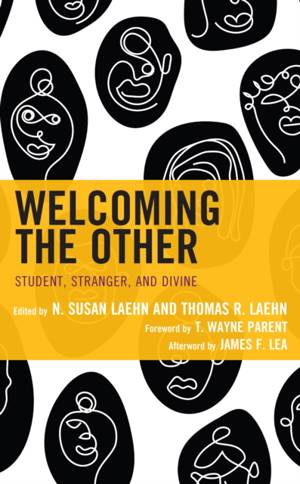
The modern turn in political philosophy established the ontological primacy of the ego, reducing the community to a mere assemblage of individuals, and led to the repudiation of natural duties in favor of inherent individual rights. The modern project culminated in the work of Friedrich Nietzsche, whose emphasis on radical individuation left human beings both liberated and exiled. Individuals were free to create (and to recreate) themselves anew, but they were simultaneously uprooted from any larger community. Indeed, the very possibility of shared meaning, let alone shared political life, was called into question. This volume consists of essays addressing the efforts of philosophers, artists, caretakers, and--perhaps most importantly--teachers to reestablish a foundation for political life in postmodernity. The origins of these efforts are diverse, and their modes are varied. Individuals seek communion with the divine, either with or through others; they pursue friendship among strangers; and they search for meaningful relationships in both the classroom and the public square. Reflecting the various means by which individuals seek communion with others and with the transcendent, divine Other, the essays contained in this volume explore the modes through which individuals forge relationships with others in an age of isolation.
Specificaties
Betrokkenen
- Uitgeverij:
Inhoud
- Aantal bladzijden:
- 228
- Taal:
- Engels
- Reeks:
Eigenschappen
- Productcode (EAN):
- 9781793631206
- Verschijningsdatum:
- 15/02/2021
- Uitvoering:
- Hardcover
- Formaat:
- Genaaid
- Afmetingen:
- 152 mm x 229 mm
- Gewicht:
- 476 g

Alleen bij Standaard Boekhandel
+ 390 punten op je klantenkaart van Standaard Boekhandel
Cadeau

AANGERADEN


Beoordelingen
We publiceren alleen reviews die voldoen aan de voorwaarden voor reviews. Bekijk onze voorwaarden voor reviews.