


- Afhalen na 1 uur in een winkel met voorraad
- Gratis thuislevering in België vanaf € 30
- Ruim aanbod met 7 miljoen producten
- Afhalen na 1 uur in een winkel met voorraad
- Gratis thuislevering in België vanaf € 30
- Ruim aanbod met 7 miljoen producten





€ 195,45
+ 390 punten
Omschrijving
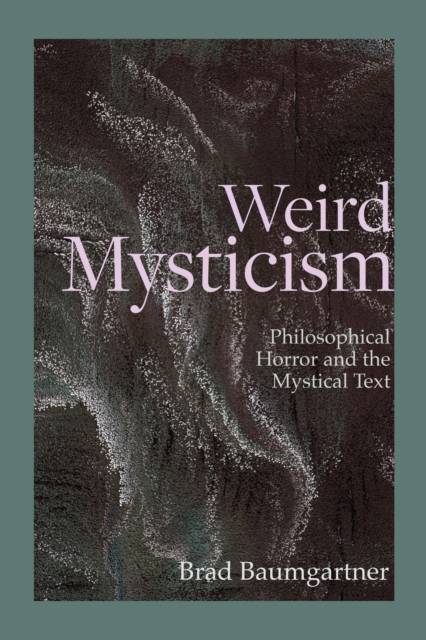
Weird Mysticism identifies and evaluates a new category of theoretical inquiry by showing the influence of speculative writing on three intersecting critical categories: horror fiction, apophatic mysticism, and philosophical pessimism. Exploring the work of Thomas Ligotti, Georges Bataille, and E. M. Cioran, Baumgartner argues that these "weird mystics" employ an innovative mode of negative writing that seeks to merge new conceptions of reality. While exploring perennial questions about "the absolute," the Outside, and other philosophical concepts, these authors push the limits of representation, experimenting with literary form, genre-bending, and aphoristic discourse. As their works reveal, the category of weird mysticism both conjoins and obscures the link between traditional mysticism and philosophical horror fiction, with weirdness itself being the central magnet that draws the seemingly disparate realms of horror fiction, philosophy, and mysticism together. Highlighting the theoretical stakes of the horror genre, Baumgartner's study reveals how the mystical potentially recuperates the limits of philosophical thinking, enabling reflection on--and possibly challenging--the limits of human understanding.
Specificaties
Betrokkenen
- Auteur(s):
- Uitgeverij:
Inhoud
- Aantal bladzijden:
- 170
- Taal:
- Engels
- Reeks:
Eigenschappen
- Productcode (EAN):
- 9781683932871
- Verschijningsdatum:
- 17/11/2020
- Uitvoering:
- Hardcover
- Formaat:
- Genaaid
- Afmetingen:
- 152 mm x 229 mm
- Gewicht:
- 421 g


Alleen bij Standaard Boekhandel
+ 390 punten op je klantenkaart van Standaard Boekhandel
CADEAU

AANGERADEN


Beoordelingen
We publiceren alleen reviews die voldoen aan de voorwaarden voor reviews. Bekijk onze voorwaarden voor reviews.