


- Afhalen na 1 uur in een winkel met voorraad
- Gratis thuislevering in België vanaf € 30
- Ruim aanbod met 7 miljoen producten
- Afhalen na 1 uur in een winkel met voorraad
- Gratis thuislevering in België vanaf € 30
- Ruim aanbod met 7 miljoen producten





€ 339,45
+ 678 punten
Omschrijving
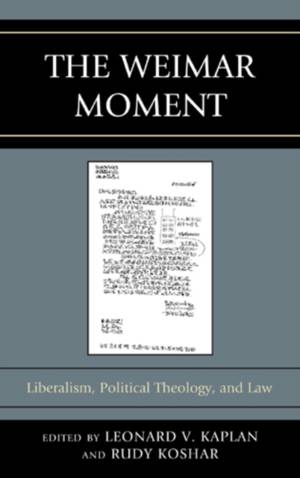
The Weimar Moment's evocative assault on closure and political reaction, its offering of democracy against the politics of narrow self-interest cloaked in nationalist appeals to Volk and "community"--or, as would be the case in Nazi Germany, "race"--cannot but appeal to us today. This appeal--its historical grounding and content, its complexities and tensions, its variegated expressions across the networks of power and thought--is the essential context of the present volume, whose basic premise is unhappiness with Hegel's remark that we learn no more from history than we cannot learn from it. The challenge of the papers in this volume is to provide the material to confront the present effectively drawing from what we can and do understand.
Specificaties
Betrokkenen
- Uitgeverij:
Inhoud
- Aantal bladzijden:
- 554
- Taal:
- Engels
- Reeks:
Eigenschappen
- Productcode (EAN):
- 9780739140727
- Verschijningsdatum:
- 26/01/2012
- Uitvoering:
- Hardcover
- Formaat:
- Genaaid
- Afmetingen:
- 163 mm x 236 mm
- Gewicht:
- 907 g

Alleen bij Standaard Boekhandel
+ 678 punten op je klantenkaart van Standaard Boekhandel
Cadeau

AANGERADEN


Beoordelingen
We publiceren alleen reviews die voldoen aan de voorwaarden voor reviews. Bekijk onze voorwaarden voor reviews.