


- Afhalen na 1 uur in een winkel met voorraad
- Gratis thuislevering in België vanaf € 30
- Ruim aanbod met 7 miljoen producten
- Afhalen na 1 uur in een winkel met voorraad
- Gratis thuislevering in België vanaf € 30
- Ruim aanbod met 7 miljoen producten





€ 46,45
+ 92 punten
Omschrijving
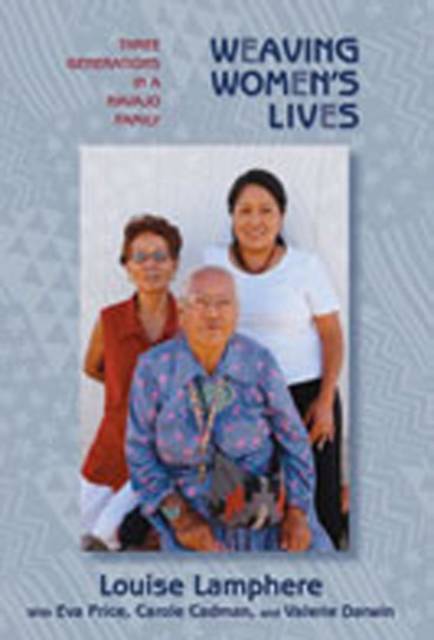
Louise Lamphere met Eva Price in 1965 in Sheep Springs, New Mexico, on the eastern side of the Navajo Reservation, while Lamphere was doing fieldwork for her dissertation in social anthropology at Harvard University. Over the next forty years, Lamphere developed a strong friendship with Price that expanded to include Eva's daughter, Caroline Cadman, and granddaughter, Valerie Darwin. to her children and grandchildren, Lamphere saw an opportunity to pursue her own interest in writing a book on Navajo women that would encompass their transformative experiences through the twentieth century. Lamphere collaborated with Price, Cadman, and Darwin to create a narrative that highlights the voices of three generations of Navajo women, placing them in the context of larger American society rather than presenting the Navajo as an isolated indigenous culture. Emphasizing the vibrancy and strength of Navajo culture, Weaving Women's Lives illustrates the process of incorporating new practices and ideas while retaining distinctive Navajo beliefs, values, and orientations. As individual threads are woven to create a unique pattern, so have Navajo women pulled together elements of Navajo and Anglo culture to create a new blueprint for their lives.
Specificaties
Betrokkenen
- Auteur(s):
- Uitgeverij:
Inhoud
- Aantal bladzijden:
- 344
- Taal:
- Engels
Eigenschappen
- Productcode (EAN):
- 9780826342782
- Verschijningsdatum:
- 01/11/2007
- Uitvoering:
- Paperback
- Formaat:
- Trade paperback (VS)
- Afmetingen:
- 155 mm x 228 mm
- Gewicht:
- 535 g


Alleen bij Standaard Boekhandel
+ 92 punten op je klantenkaart van Standaard Boekhandel
Cadeau

AANGERADEN


Beoordelingen
We publiceren alleen reviews die voldoen aan de voorwaarden voor reviews. Bekijk onze voorwaarden voor reviews.