


- Afhalen na 1 uur in een winkel met voorraad
- Gratis thuislevering in België vanaf € 30
- Ruim aanbod met 7 miljoen producten
- Afhalen na 1 uur in een winkel met voorraad
- Gratis thuislevering in België vanaf € 30
- Ruim aanbod met 7 miljoen producten





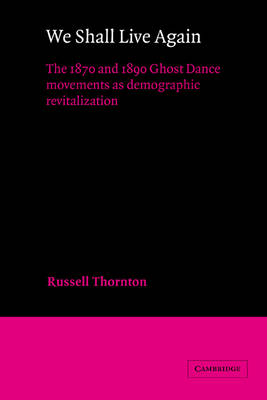
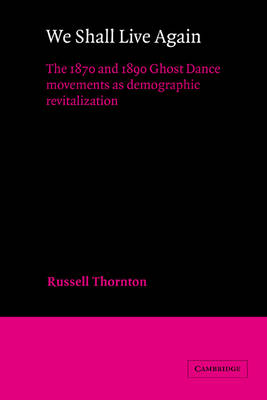
We Shall Live Again
The 1870 and 1890 Ghost Dance Movements as Demographic Revitalization
Russell Thornton
€ 123,95
+ 247 punten
Uitvoering
Omschrijving
This study of the 1870 and 1890 Ghost Dance movements among North American Indians offers an innovative theory about why these movements arose when they did. Emphasizing the demographic situation of American Indians prior to the movements, Professor Thornton argues that the Ghost Dances were deliberate efforts to accomplish a demographic revitalization of American Indians following their virtual collapse. By joining the movements, he contends, tribes sought to assure survival by increasing their numbers through returning the dead to life. Thornton supports this thesis empirically by closely examining the historical context of the two movements and by assessing tribal participation in them, revealing particularly how population size and decline influenced participation among and within American Indian tribes. He also considers American Indian population change after the Ghost Dance periods and shows that participation in the movements actually did lead the way to a demographic recovery for certain tribes.
Specificaties
Betrokkenen
- Auteur(s):
- Uitgeverij:
Inhoud
- Aantal bladzijden:
- 112
- Taal:
- Engels
- Reeks:
Eigenschappen
- Productcode (EAN):
- 9780521328944
- Verschijningsdatum:
- 26/09/1986
- Uitvoering:
- Hardcover
- Formaat:
- Genaaid
- Afmetingen:
- 164 mm x 236 mm
- Gewicht:
- 308 g


Alleen bij Standaard Boekhandel
+ 247 punten op je klantenkaart van Standaard Boekhandel
Cadeau

AANGERADEN


Beoordelingen
We publiceren alleen reviews die voldoen aan de voorwaarden voor reviews. Bekijk onze voorwaarden voor reviews.