


- Afhalen na 1 uur in een winkel met voorraad
- Gratis thuislevering in België vanaf € 30
- Ruim aanbod met 7 miljoen producten
- Afhalen na 1 uur in een winkel met voorraad
- Gratis thuislevering in België vanaf € 30
- Ruim aanbod met 7 miljoen producten





€ 32,45
+ 64 punten
Uitvoering
Omschrijving
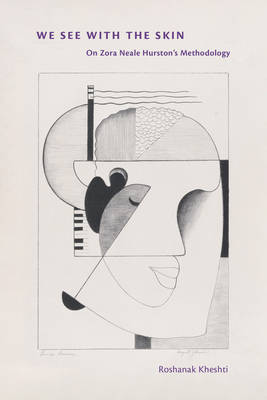
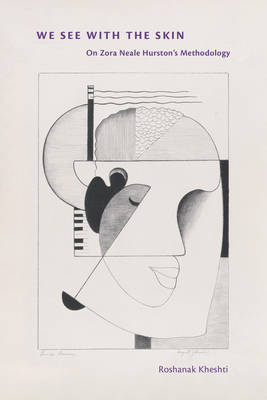
Roshanak Kheshti opens her book with a line from one of Zora Neale Hurston's earliest stories: "we see with the skin." From this brief but potent line, Kheshti examines how Hurston's understanding of Black skin as both seen and seeing offers radical insight into racialized perception and Black consciousness. Kheshti follows Hurston's travels across the back woods of Florida, Georgia, Alabama, and Louisiana as a filmmaker and sensory ethnographer of the African diasporic spiritual practice of hoodoo. Through her travels, Hurston encountered a sensibility that could animate the object status of being colored with the power of a return gaze. Kheshti considers both how Hurston poetically exploited the synesthetic logic at the heart of race thinking--being colored--as well as how her embodied performance ethnography catalogued an outside to that logic. We See With the Skin is an original mapping of Hurston's synesthetic theory and its broader implications for understanding minoritarian perception and thought.
Specificaties
Betrokkenen
- Auteur(s):
- Uitgeverij:
Inhoud
- Aantal bladzijden:
- 236
- Taal:
- Engels
- Reeks:
Eigenschappen
- Productcode (EAN):
- 9781478038887
- Verschijningsdatum:
- 11/08/2026
- Uitvoering:
- Paperback
- Formaat:
- Trade paperback (VS)
- Afmetingen:
- 152 mm x 229 mm
- Gewicht:
- 444 g


Alleen bij Standaard Boekhandel
+ 64 punten op je klantenkaart van Standaard Boekhandel
CADEAU

AANGERADEN


Beoordelingen
We publiceren alleen reviews die voldoen aan de voorwaarden voor reviews. Bekijk onze voorwaarden voor reviews.