


- Afhalen na 1 uur in een winkel met voorraad
- Gratis thuislevering in België vanaf € 30
- Ruim aanbod met 7 miljoen producten
- Afhalen na 1 uur in een winkel met voorraad
- Gratis thuislevering in België vanaf € 30
- Ruim aanbod met 7 miljoen producten





€ 27,45
+ 54 punten
Omschrijving
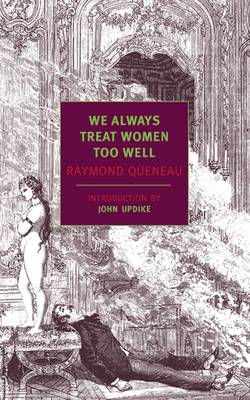
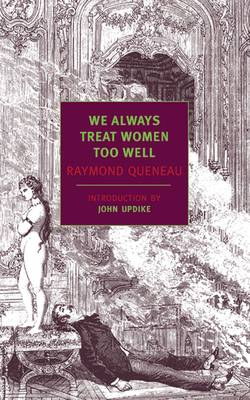
We Always Treat Women Too Well was first published as a purported work of pulp fiction by one Sally Mara, but this novel by Raymond Queneau is a further manifestation of his sly, provocative, wonderfully wayward genius. Set in Dublin during the 1916 Easter rebellion, it tells of a nubile beauty who finds herself trapped in the central post office when it is seized by a group of rebels. But Gertie Girdle is no common pushover, and she quickly devises a coolly lascivious strategy by which, in very short order, she saves the day for king and country. Queneau's wickedly funny send-up of cheap smut--his response to a popular bodice-ripper of the 1940s--exposes the link between sexual fantasy and actual domination while celebrating the imagination's power to transmute crude sensationalism into pleasure pure and simple.
Specificaties
Betrokkenen
- Auteur(s):
- Vertaler(s):
- Uitgeverij:
Inhoud
- Aantal bladzijden:
- 200
- Taal:
- Engels
- Reeks:
Eigenschappen
- Productcode (EAN):
- 9781590170304
- Verschijningsdatum:
- 31/01/2003
- Uitvoering:
- Paperback
- Formaat:
- Trade paperback (VS)
- Afmetingen:
- 128 mm x 203 mm
- Gewicht:
- 199 g


Alleen bij Standaard Boekhandel
+ 54 punten op je klantenkaart van Standaard Boekhandel
Cadeau

AANGERADEN


Beoordelingen
We publiceren alleen reviews die voldoen aan de voorwaarden voor reviews. Bekijk onze voorwaarden voor reviews.