


- Afhalen na 1 uur in een winkel met voorraad
- Gratis thuislevering in België vanaf € 30
- Ruim aanbod met 7 miljoen producten
- Afhalen na 1 uur in een winkel met voorraad
- Gratis thuislevering in België vanaf € 30
- Ruim aanbod met 7 miljoen producten





€ 108,45
+ 216 punten
Uitvoering
Omschrijving
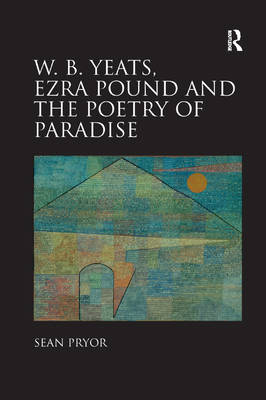
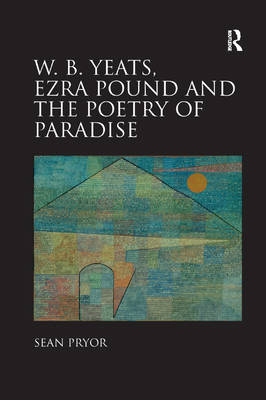
Emphasizing the interplay of aesthetic forms and religious modes, Sean Pryor's ambitious study takes up the endlessly reiterated longing for paradise that features throughout the works of W. B. Yeats and Ezra Pound. Throughout his study, Pryor argues that Yeats and Pound reconceive the quest for paradise as a quest for a new kind of poetry, a journey that Pryor traces by analysing unpublished manuscript drafts and newly published drafts that have received little attention.
Specificaties
Betrokkenen
- Auteur(s):
- Uitgeverij:
Inhoud
- Aantal bladzijden:
- 240
- Taal:
- Engels
Eigenschappen
- Productcode (EAN):
- 9781138383968
- Verschijningsdatum:
- 10/09/2018
- Uitvoering:
- Paperback
- Formaat:
- Trade paperback (VS)
- Afmetingen:
- 156 mm x 234 mm
- Gewicht:
- 344 g


Alleen bij Standaard Boekhandel
+ 216 punten op je klantenkaart van Standaard Boekhandel
Cadeau

AANGERADEN


Beoordelingen
We publiceren alleen reviews die voldoen aan de voorwaarden voor reviews. Bekijk onze voorwaarden voor reviews.