


- Afhalen na 1 uur in een winkel met voorraad
- Gratis thuislevering in België vanaf € 30
- Ruim aanbod met 7 miljoen producten
- Afhalen na 1 uur in een winkel met voorraad
- Gratis thuislevering in België vanaf € 30
- Ruim aanbod met 7 miljoen producten


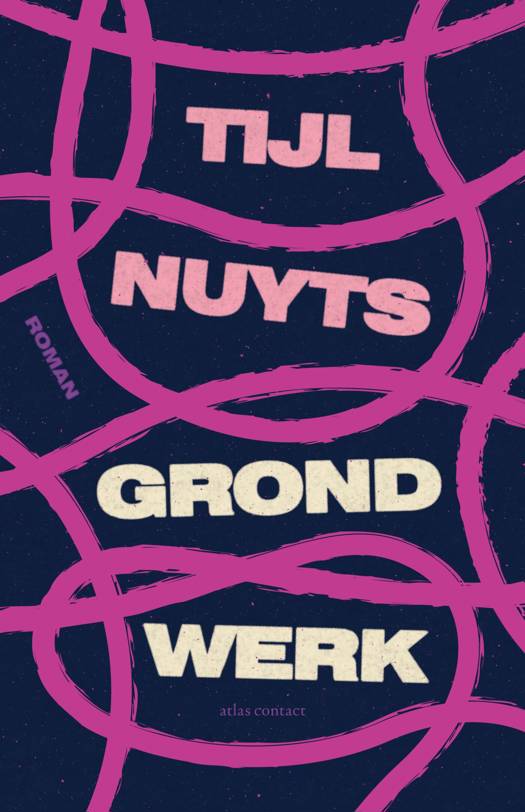


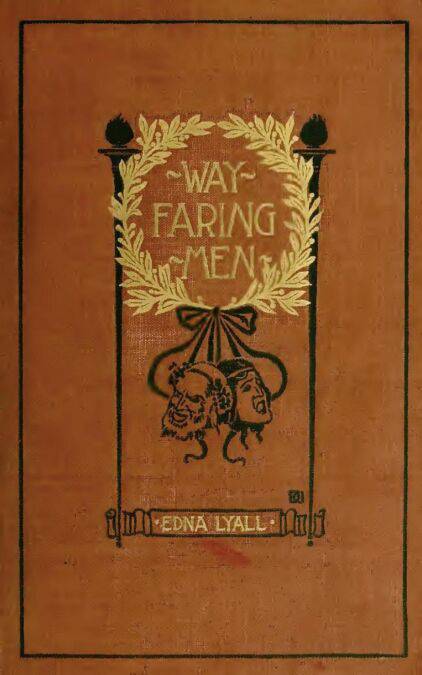
Omschrijving
Ada Ellen Bayly, a.k.a. Edna Lyall, was an English novelist, and an early feminist. Bayly was born in Brighton, the youngest of four children of a barrister. At an early age, she lost both her parents and she spent her youth with an uncle in Surrey and in a Brighton private school. Bayly never married and she seems to have spent her adult life living with her two married sisters and her brother, a clergyman in Bosbury in Herefordshire.
In 1879, she published her first novel, Won by Waiting, under the pen name of "Edna Lyall" (apparently derived from transposing letters from Ada Ellen Bayly). The book was not a success. Success came with We Two, based on the life of Charles Bradlaugh, a social reformer and advocate of free thought. Her historical novel In the Golden Days was the last book read to John Ruskin on his deathbed; while Hope the Hermit was a best-seller set in the Lake District which was later an inspiration for Hugh Walpole's Rogue Herries.
Bayly wrote in all eighteen novels, many of them offering interesting explorations of the writer's creative process. Part of her success was due to her practice of using characters from one novel in a different capacity in her next.
In 1879, she published her first novel, Won by Waiting, under the pen name of "Edna Lyall" (apparently derived from transposing letters from Ada Ellen Bayly). The book was not a success. Success came with We Two, based on the life of Charles Bradlaugh, a social reformer and advocate of free thought. Her historical novel In the Golden Days was the last book read to John Ruskin on his deathbed; while Hope the Hermit was a best-seller set in the Lake District which was later an inspiration for Hugh Walpole's Rogue Herries.
Bayly wrote in all eighteen novels, many of them offering interesting explorations of the writer's creative process. Part of her success was due to her practice of using characters from one novel in a different capacity in her next.
Specificaties
Betrokkenen
- Auteur(s):
- Uitgeverij:
Inhoud
- Aantal bladzijden:
- 789
- Taal:
- Engels
Eigenschappen
- Productcode (EAN):
- 9783736420816
- Verschijningsdatum:
- 21/06/2017
- Uitvoering:
- E-book
- Beveiligd met:
- Digital watermarking
- Formaat:
- ePub


Alleen bij Standaard Boekhandel
AANGERADEN


Beoordelingen
We publiceren alleen reviews die voldoen aan de voorwaarden voor reviews. Bekijk onze voorwaarden voor reviews.