


- Afhalen na 1 uur in een winkel met voorraad
- Gratis thuislevering in België vanaf € 30
- Ruim aanbod met 7 miljoen producten
- Afhalen na 1 uur in een winkel met voorraad
- Gratis thuislevering in België vanaf € 30
- Ruim aanbod met 7 miljoen producten





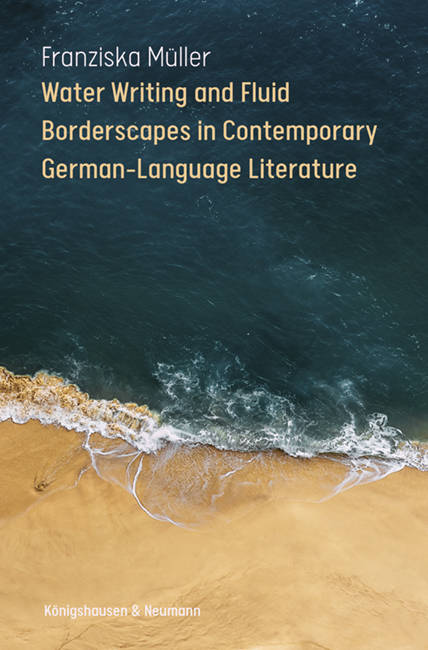
Water Writing and Fluid Borderscapes in Contemporary German-Language Literature
Franziska Müller
€ 39,45
+ 78 punten
Eenvoudig bestellen
Veilig betalen


Gratis thuislevering vanaf € 30 (via bpost)
Gratis levering in je Standaard Boekhandel
Omschrijving
The doctoral thesis investigates how literary representations of different water bodies spark ideas about borders and experiences of escape and exile in a globalised world. The key idea underpinning this study is to explore the analogy between water as an element which changes in shape and texture, and borders as performative constructs. Modelling the fluid borderscapes concept for analysis, the study examines representations of waterscapes in contemporary German-language novels by Bánk, Stanisic, Seiler, Kinsky, and Ransmayr. Set in different contexts, the Bosnian war, Yugoslavia's disintegration, the Hungarian revolution, the GDR, the aftermath of World War II, and a dystopian version of Europe, the narrations imagine questions of belonging amid shifting borders. The analytical chapters showcase the interrelations between the bodies of water on the one hand and concepts of borders as well as bordering practices on the other. The study further elaborates on fluid modes of writing that are linked to the characters' interactions with water as well as the narrative composition of places and timespaces.
Specificaties
Betrokkenen
- Auteur(s):
- Uitgeverij:
Inhoud
- Taal:
- Engels
- Reeks:
- Reeksnummer:
- nr. 977
Eigenschappen
- Productcode (EAN):
- 9783826091261
- Uitvoering:
- Paperback
- Afmetingen:
- 155 mm x 235 mm



Alleen bij Standaard Boekhandel
+ 78 punten op je klantenkaart van Standaard Boekhandel
CADEAU

AANGERADEN


Beoordelingen
We publiceren alleen reviews die voldoen aan de voorwaarden voor reviews. Bekijk onze voorwaarden voor reviews.