


- Afhalen na 1 uur in een winkel met voorraad
- Gratis thuislevering in België vanaf € 30
- Ruim aanbod met 7 miljoen producten
- Afhalen na 1 uur in een winkel met voorraad
- Gratis thuislevering in België vanaf € 30
- Ruim aanbod met 7 miljoen producten





€ 122,00
+ 244 punten
Omschrijving
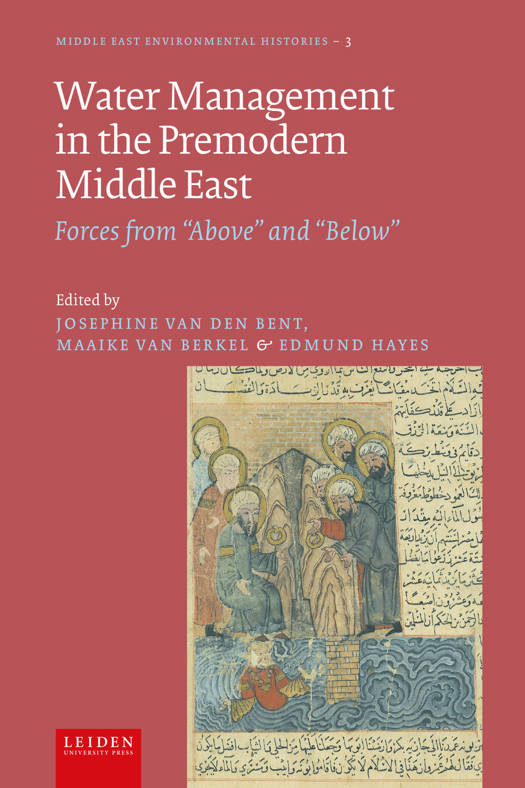
This volume analyses water management in pre-1500 Middle Eastern cities. Managing access to fresh water for large numbers of people has always been great challenge. Nevertheless, premodern societies of the Middle East and North Africa were rather successful in providing water to city dwellers, pilgrims and travellers in and around large and highly populated cities such as Cairo, Damascus, Baghdad, Samarra, Basra, and Medina. The contributions to this volume delve into the question of how this was accomplished by examining the intersection between social institutions and the physical reality of water use. These studies analyse the identity and interactions between many different players and stakeholders in water management in cities. Who was responsible for the building, management and maintenance of different elements in premodern waters systems? Who had access to that water? The volume focuses on the sometimes fraught relationships between forces from "above"--central authorities, formal institutions and elites--and forces from "below"-- more informal practices within local communities. This volume maps a wide variety of physical infrastructures related to water management to be found in densely populated or travelled areas. At the same time, it explores the multitude of social institutions which mediated the distribution of water to medieval urban and rural populaces. Thus, water management provides a microcosm for the wider mechanisms and evolutions of premodern urban governance and its interactions with rural hinterlands. By bringing together a wide range of scholars working on different aspects of these issues, in different contexts and at different times, this volume makes an important new contribution to our understanding of how water was distributed, regulated, and used by urban populations in premodern societies.
Specificaties
Betrokkenen
- Auteur(s):
- Uitgeverij:
Inhoud
- Aantal bladzijden:
- 290
- Taal:
- Engels
- Reeks:
- Reeksnummer:
- nr. 3
Eigenschappen
- Productcode (EAN):
- 9789087284718
- Verschijningsdatum:
- 12/08/2026
- Uitvoering:
- Hardcover
- Formaat:
- Genaaid
- Afmetingen:
- 156 mm x 235 mm


Alleen bij Standaard Boekhandel
+ 244 punten op je klantenkaart van Standaard Boekhandel
Cadeau

AANGERADEN


Beoordelingen
We publiceren alleen reviews die voldoen aan de voorwaarden voor reviews. Bekijk onze voorwaarden voor reviews.