



- Afhalen na 1 uur in een winkel met voorraad
- In januari gratis thuislevering in België
- Ruim aanbod met 7 miljoen producten
- Afhalen na 1 uur in een winkel met voorraad
- In januari gratis thuislevering in België
- Ruim aanbod met 7 miljoen producten





€ 48,95
+ 97 punten
Omschrijving
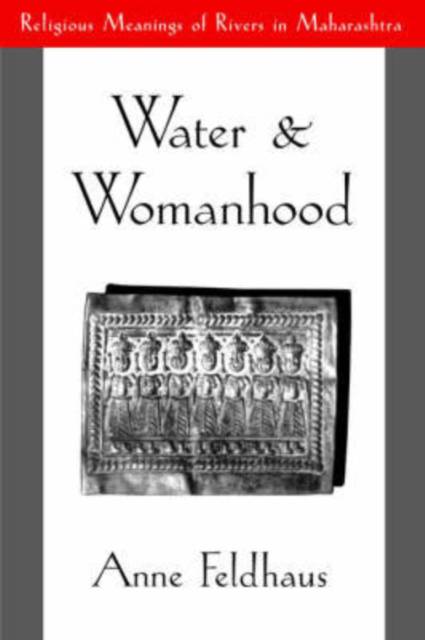
Rivers in India are commonly associated with certain worldly religious values: wealth, beauty, long life, good health, food, love, and the birth of children. However, these "domestic" values have been relatively neglected by Indologists, who have tended to view India and Hinduism through the prism of poverty, misery, asceticism, and themes of purity or pollution. Following recent scholarship by arguing that the earthly pursuits are equally vital to an understanding of popular Hinduism, Feldhaus examines the role of these ideals in the religious meanings of rivers in Maharashtra, a large region of western India. Drawing both on written religious texts and on a wide range of oral, iconographic, and ritual materials gathered in the course of field work in India, she shows that these values, which are usually associated with women or represented by goddesses, are an important motif in popular religious practices and oral traditions associated with the rivers of Maharashtra, and she presents the many different ways in which rivers are imagined, enshrined, worshipped, and feared.
Specificaties
Betrokkenen
- Auteur(s):
- Uitgeverij:
Inhoud
- Aantal bladzijden:
- 288
- Taal:
- Engels
Eigenschappen
- Productcode (EAN):
- 9780195092837
- Verschijningsdatum:
- 11/05/1995
- Uitvoering:
- Paperback
- Formaat:
- Trade paperback (VS)
- Afmetingen:
- 156 mm x 234 mm
- Gewicht:
- 399 g


Alleen bij Standaard Boekhandel
+ 97 punten op je klantenkaart van Standaard Boekhandel
Cadeau

AANGERADEN


Beoordelingen
We publiceren alleen reviews die voldoen aan de voorwaarden voor reviews. Bekijk onze voorwaarden voor reviews.