


- Afhalen na 1 uur in een winkel met voorraad
- Gratis thuislevering in België vanaf € 30
- Ruim aanbod met 7 miljoen producten
- Afhalen na 1 uur in een winkel met voorraad
- Gratis thuislevering in België vanaf € 30
- Ruim aanbod met 7 miljoen producten





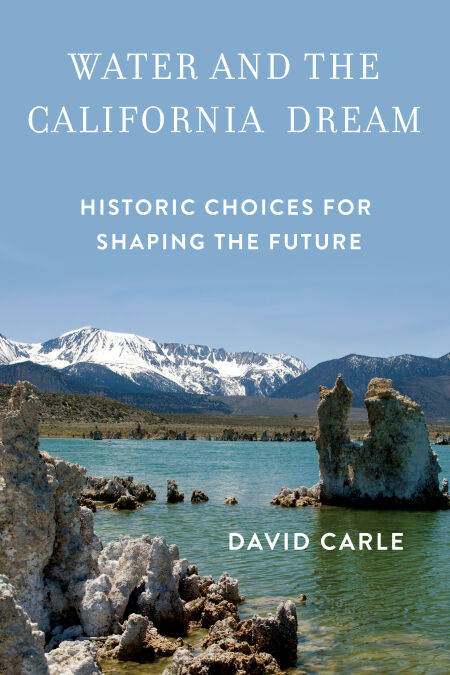
Water and the California Dream E-BOOK
Historic Choices for Shaping the Future
David Carle
E-book | Engels
€ 15,76
+ 15 punten
Uitvoering
Omschrijving
In the last one hundred years, imported water has transformed the environment of the Golden State and its quality of life, with land ownership patterns and real estate boosterism dramatically altering both urban and rural communities. The key to this transformation has been expanded access to water from the Eastern Sierra, the Colorado River, and Northern California rivers. "Whoever brings the water, brings the people," wrote engineer William Mulholland, under whose leadership the process of growth through irrigation began. Now, using first–person voices of Californians to reveal the resulting changes, author David Carle concludes that it may be time to stop drowning the California dream of the good life with imported water.
Using oral histories, contemporary newspaper articles, and autobiographies, Carle explores the historic changes in California, showing how imported water has shaped the pattern of population growth in the state. Because water choices remain the primary tool for shaping California's future, Carle also argues that it is possible to improve both the state's damaged environment and the quality of life if Californians will step out of this historic pattern and embrace limited water supplies as a fact of life in this naturally dry region.
Using oral histories, contemporary newspaper articles, and autobiographies, Carle explores the historic changes in California, showing how imported water has shaped the pattern of population growth in the state. Because water choices remain the primary tool for shaping California's future, Carle also argues that it is possible to improve both the state's damaged environment and the quality of life if Californians will step out of this historic pattern and embrace limited water supplies as a fact of life in this naturally dry region.
Specificaties
Betrokkenen
- Auteur(s):
- Uitgeverij:
Inhoud
- Aantal bladzijden:
- 240
- Taal:
- Engels
Eigenschappen
- Productcode (EAN):
- 9781619028234
- Verschijningsdatum:
- 30/04/2016
- Uitvoering:
- E-book
- Beveiligd met:
- Adobe DRM
- Formaat:
- ePub


Alleen bij Standaard Boekhandel
+ 15 punten op je klantenkaart van Standaard Boekhandel
Cadeau

AANGERADEN


Beoordelingen
We publiceren alleen reviews die voldoen aan de voorwaarden voor reviews. Bekijk onze voorwaarden voor reviews.