


- Afhalen na 1 uur in een winkel met voorraad
- Gratis thuislevering in België vanaf € 30
- Ruim aanbod met 7 miljoen producten
- Afhalen na 1 uur in een winkel met voorraad
- Gratis thuislevering in België vanaf € 30
- Ruim aanbod met 7 miljoen producten





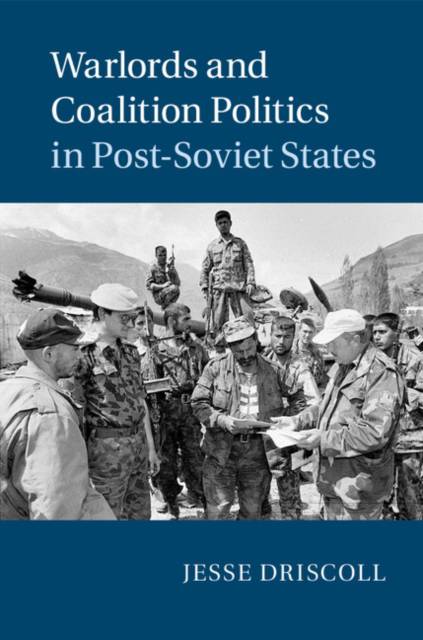
Warlords and Coalition Politics in Post-Soviet States
Jesse Driscoll
€ 191,95
+ 383 punten
Uitvoering
Omschrijving
The breakup of the U.S.S.R. was unexpected and unexpectedly peaceful. Though a third of the new states fell prey to violent civil conflict, anarchy on the post-Soviet periphery, when it occurred, was quickly cauterized. This book argues that this outcome had nothing to do with security guarantees by Russia or the United Nations and everything to do with local innovation by ruthless warlords, who competed and colluded in a high-risk coalition formation game. Drawing on a structured comparison of Georgian and Tajik militia members, the book combines rich comparative data with formal modeling, treating the post-Soviet space as an extraordinary laboratory to observe the limits of great powers' efforts to shape domestic institutions in weak states.
Specificaties
Betrokkenen
- Auteur(s):
- Uitgeverij:
Inhoud
- Aantal bladzijden:
- 264
- Taal:
- Engels
- Reeks:
Eigenschappen
- Productcode (EAN):
- 9781107063358
- Verschijningsdatum:
- 2/07/2015
- Uitvoering:
- Hardcover
- Formaat:
- Genaaid
- Afmetingen:
- 152 mm x 229 mm
- Gewicht:
- 557 g


Alleen bij Standaard Boekhandel
+ 383 punten op je klantenkaart van Standaard Boekhandel
Cadeau

AANGERADEN


Beoordelingen
We publiceren alleen reviews die voldoen aan de voorwaarden voor reviews. Bekijk onze voorwaarden voor reviews.