


- Afhalen na 1 uur in een winkel met voorraad
- Gratis thuislevering in België vanaf € 30
- Ruim aanbod met 7 miljoen producten
- Afhalen na 1 uur in een winkel met voorraad
- Gratis thuislevering in België vanaf € 30
- Ruim aanbod met 7 miljoen producten





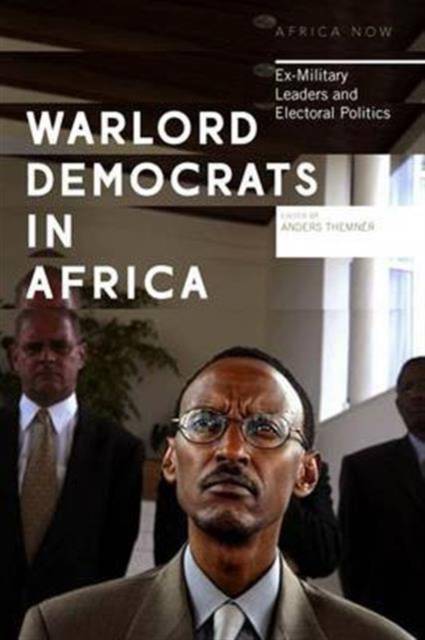
Warlord Democrats in Africa
Ex-Military Leaders and Electoral Politics
€ 67,95
+ 135 punten
Omschrijving
Post-war democratization has been identified as a crucial mechanism to build peace in war-ridden societies, supposedly allowing belligerents to compete through ballots rather than bullets. A byproduct of this process, however, is that military leaders often become an integral part of the new democratic system, using resources and networks generated from the previous war to dominate the emerging political landscape.
The crucial and thus-far overlooked question to be addressed, therefore, is what effect the inclusion of ex-militaries into electoral politics has on post-war security. Can 'warlord democrats' make a positive contribution by shepherding their wartime constituencies to support the building of peace and democracy, or are they likely to use their electoral platforms to sponsor political violence and keep war-affected communities mobilized through aggressive discourses? This important volume, containing a wealth of fresh empirical detail and theoretical insight, and focussing on some of Africa's most high-profile political figures - from Paul Kagame to Riek Machar to Afonso Dhlakama - represents a crucial intervention in the literature of post-war democratization.Specificaties
Betrokkenen
- Uitgeverij:
Inhoud
- Aantal bladzijden:
- 264
- Taal:
- Engels
- Reeks:
Eigenschappen
- Productcode (EAN):
- 9781783602483
- Verschijningsdatum:
- 15/04/2017
- Uitvoering:
- Paperback
- Formaat:
- Trade paperback (VS)
- Afmetingen:
- 155 mm x 231 mm
- Gewicht:
- 408 g


Alleen bij Standaard Boekhandel
+ 135 punten op je klantenkaart van Standaard Boekhandel
CADEAU

AANGERADEN


Beoordelingen
We publiceren alleen reviews die voldoen aan de voorwaarden voor reviews. Bekijk onze voorwaarden voor reviews.