


- Afhalen na 1 uur in een winkel met voorraad
- Gratis thuislevering in België vanaf € 30
- Ruim aanbod met 7 miljoen producten
- Afhalen na 1 uur in een winkel met voorraad
- Gratis thuislevering in België vanaf € 30
- Ruim aanbod met 7 miljoen producten





€ 122,45
+ 244 punten
Omschrijving
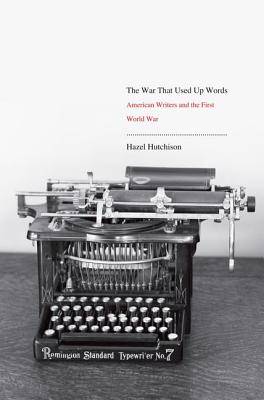
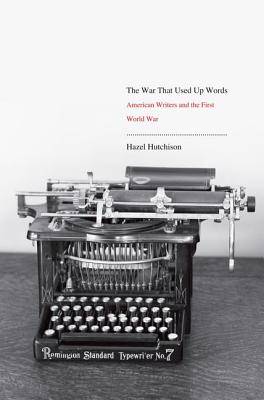
In this provocative study, Hazel Hutchison takes a fresh look at the roles of American writers in helping to shape national opinion and policy during the First World War. From the war's opening salvos in Europe, American writers recognized the impact the war would have on their society and sought out new strategies to express their horror, support, or resignation. By focusing on the writings of Henry James, Edith Wharton, Grace Fallow Norton, Mary Borden, Ellen La Motte, E. E. Cummings, and John Dos Passos, Hutchison examines what it means to be a writer in wartime, particularly in the midst of a conflict characterized by censorship and propaganda. Drawing on original letters and manuscripts, some never before seen by researchers, this book explores how the essays, poetry, and novels of these seven literary figures influenced America's public view of events, from August 1914 through the Paris Peace Conference of 1919, and ultimately set the literary agenda for later, more celebrated texts about the war.
Specificaties
Betrokkenen
- Auteur(s):
- Uitgeverij:
Inhoud
- Aantal bladzijden:
- 304
- Taal:
- Engels
Eigenschappen
- Productcode (EAN):
- 9780300195026
- Verschijningsdatum:
- 31/03/2015
- Uitvoering:
- Hardcover
- Formaat:
- Genaaid
- Afmetingen:
- 145 mm x 254 mm
- Gewicht:
- 589 g


Alleen bij Standaard Boekhandel
+ 244 punten op je klantenkaart van Standaard Boekhandel
CADEAU

AANGERADEN


Beoordelingen
We publiceren alleen reviews die voldoen aan de voorwaarden voor reviews. Bekijk onze voorwaarden voor reviews.