



Bedankt voor het vertrouwen het afgelopen jaar! Om jou te bedanken bieden we GRATIS verzending (in België) aan op alles gedurende de hele maand januari.
- Afhalen na 1 uur in een winkel met voorraad
- In januari gratis thuislevering in België
- Ruim aanbod met 7 miljoen producten
Bedankt voor het vertrouwen het afgelopen jaar! Om jou te bedanken bieden we GRATIS verzending (in België) aan op alles gedurende de hele maand januari.
- Afhalen na 1 uur in een winkel met voorraad
- In januari gratis thuislevering in België
- Ruim aanbod met 7 miljoen producten





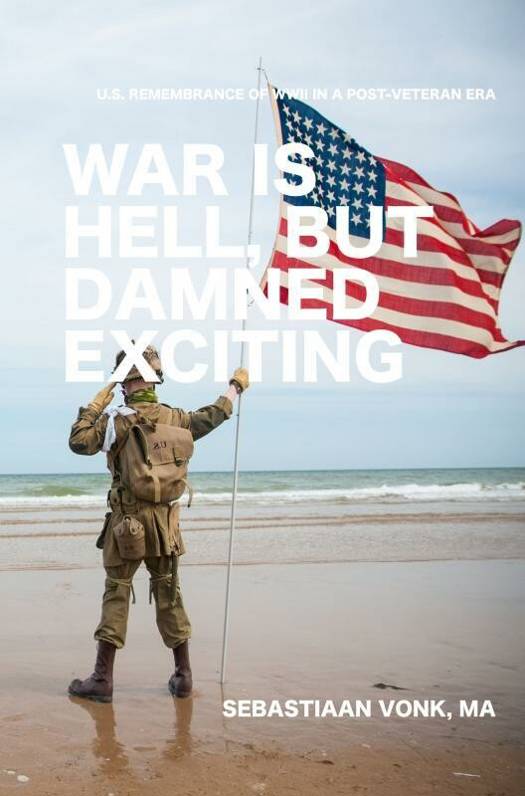
War is Hell, but Damned Exciting
U.S. Remembrance of WWII in a Post-Veteran Era
Sebastiaan Vonk
Paperback | Engels
€ 16,95
+ 33 punten
Uitvoering
Omschrijving
Even 75 years after the end of World War II, Hollywood productions and the war’s battlefield sites continue to draw large audiences. Over the years, representations of the war have changed from a focus on its glory to its suffering though. The ideal “lest we forget” has been extended to “never again.” By drawing on interviews with actors in the field of remembrance and U.S. remembrance tourists, using Band of Brothers (1993 and 2001) as a case study, this thesis will critically discuss the underlying assumptions of this ideal, our engagement with WWII, and prevailing notions about war and justice. The interviews show not only that the assumption that war can be accurately represented and that lessons can be drawn from the past are problematic, “we must learn” is often at most an expressed rationale rather than actually lived. In fact, audiences’ engagement shows how WWII offers a safe space in which to fulfill a
continued fascination with war and the masculine ideals of a militarized culture. The omnipresence of such romanticized, normalized images of war contradicts the ideal of never again. Therefore, this work challenges one of the core justifications of remembering WWII.
continued fascination with war and the masculine ideals of a militarized culture. The omnipresence of such romanticized, normalized images of war contradicts the ideal of never again. Therefore, this work challenges one of the core justifications of remembering WWII.
Specificaties
Betrokkenen
- Auteur(s):
- Uitgeverij:
Inhoud
- Aantal bladzijden:
- 103
- Taal:
- Engels
Eigenschappen
- Productcode (EAN):
- 9789464051322
- Verschijningsdatum:
- 6/08/2020
- Uitvoering:
- Paperback
- Afmetingen:
- 155 mm x 235 mm
- Gewicht:
- 171 g


Alleen bij Standaard Boekhandel
+ 33 punten op je klantenkaart van Standaard Boekhandel
SOLDEN


Beoordelingen
We publiceren alleen reviews die voldoen aan de voorwaarden voor reviews. Bekijk onze voorwaarden voor reviews.