


- Afhalen na 1 uur in een winkel met voorraad
- Gratis thuislevering in België vanaf € 30
- Ruim aanbod met 7 miljoen producten
- Afhalen na 1 uur in een winkel met voorraad
- Gratis thuislevering in België vanaf € 30
- Ruim aanbod met 7 miljoen producten





€ 19,45
+ 38 punten
Omschrijving
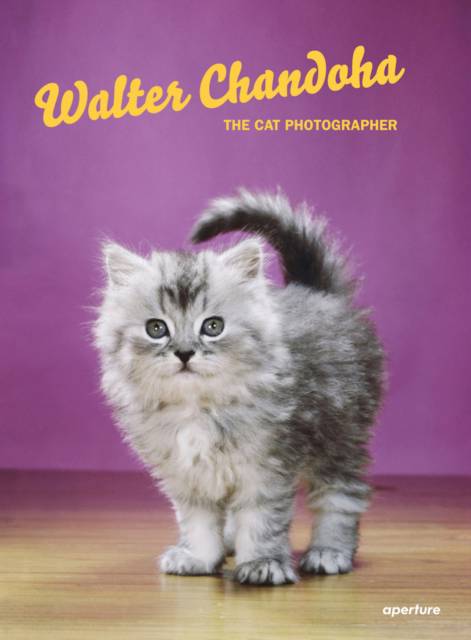
Within the genre of commercial animal photography, Walter Chandoha is a master. His photographs of cats in particular have appeared in the pages of National Geographic and Life magazine, as well as been absorbed into the public subconscious via posters, pet-food packaging, T-shirts, and other uses. The internet is awash with cat pictures, and Chandoha's cat pictures might be seen as the forefather of them all. They bear examination not only for their singular charm, but also for having established a vocabulary of the animal studio portrait with Chandoha's signature look: clean, brightly colored backdrops and high-key "glamour" backlighting of his tiny, fuzzy subjects. This is a fun book for younger audiences, but also offers insight into the unique career of a successful commercial photographer who carved out his own niche within the field. Walter Chandoha is interviewed by David La Spina, who has been working with Chandoha and his family to bring his unique archive to public attention, primarily via the New York Times and New York Times Magazine. The interview includesphotography tips and diagrams of Chandoha's studio set-up, as well as how the photographer came to make a living with animal photography.
Specificaties
Betrokkenen
- Auteur(s):
- Uitgeverij:
Inhoud
- Aantal bladzijden:
- 112
- Taal:
- Engels
- Geïllustreerd:
- Ja
Eigenschappen
- Productcode (EAN):
- 9781597114530
- Verschijningsdatum:
- 1/09/2018
- Uitvoering:
- Hardcover
- Formaat:
- Genaaid
- Afmetingen:
- 190 mm x 259 mm
- Gewicht:
- 635 g


Alleen bij Standaard Boekhandel
+ 38 punten op je klantenkaart van Standaard Boekhandel
Cadeau

AANGERADEN


Beoordelingen
We publiceren alleen reviews die voldoen aan de voorwaarden voor reviews. Bekijk onze voorwaarden voor reviews.