


- Afhalen na 1 uur in een winkel met voorraad
- Gratis thuislevering in België vanaf € 30
- Ruim aanbod met 7 miljoen producten
- Afhalen na 1 uur in een winkel met voorraad
- Gratis thuislevering in België vanaf € 30
- Ruim aanbod met 7 miljoen producten





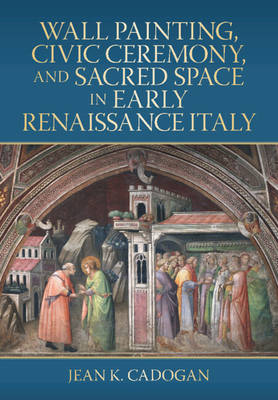
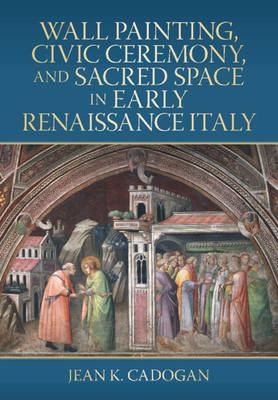
Wall Painting, Civic Ceremony, and Sacred Space in Early Renaissance Italy
Jean K Cadogan
Hardcover | Engels
€ 223,45
+ 446 punten
Omschrijving
Wall Painting, Civic Ceremony and Sacred Space in Early Renaissance Italy investigates how mural paintings affirmed civic identities by visualizing ideas, experiences, memory, and history. Jean Cadogan focuses on four large mural decorations created by celebrated Florentine artists between 1377 and 1484. The paintings adorn important sacred spaces- the chapel of the Holy Belt in the cathedral of Prato, the monumental cemetery in Pisa's cathedral square, and the cathedral of Spoleto -- yet extoll civic virtues. Building on previously unpublished archival documents, primary sources, and recent scholarship, Cadogan relates the architectural and institutional histories of these sites, reconstructs the ceremonies that unfolded within them, and demonstrates how these sacred spaces were central to the historical, institutional, and religious identities of the host cities. She also offers new insights into the motives and mechanics of patronage and artistic production. Cadogan's study shows how images reflected and shaped civic identity, even as they impressed through their scale and artistry.
Specificaties
Betrokkenen
- Auteur(s):
- Uitgeverij:
Inhoud
- Aantal bladzijden:
- 480
- Taal:
- Engels
Eigenschappen
- Productcode (EAN):
- 9781009535229
- Verschijningsdatum:
- 4/12/2025
- Uitvoering:
- Hardcover
- Formaat:
- Genaaid
- Afmetingen:
- 187 mm x 256 mm
- Gewicht:
- 1188 g


Alleen bij Standaard Boekhandel
+ 446 punten op je klantenkaart van Standaard Boekhandel
Cadeau

AANGERADEN


Beoordelingen
We publiceren alleen reviews die voldoen aan de voorwaarden voor reviews. Bekijk onze voorwaarden voor reviews.