


- Afhalen na 1 uur in een winkel met voorraad
- Gratis thuislevering in België vanaf € 30
- Ruim aanbod met 7 miljoen producten
- Afhalen na 1 uur in een winkel met voorraad
- Gratis thuislevering in België vanaf € 30
- Ruim aanbod met 7 miljoen producten





Omschrijving
Reading Sevgi Soysal today restores the volatility and violence of female concerns, and expands our horizons of understanding how inequality operates. —Helen Mackreath, The White Review
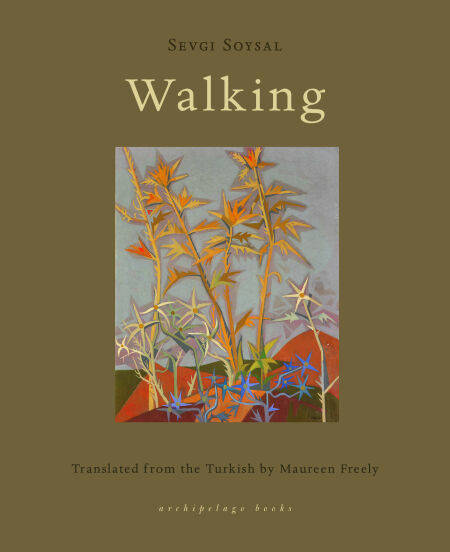
Walking observes the braided lives of Elâ and Memet, two young people growing up in 1970s Yenişehir. Elâ is a girl swept up in the discomfort and excitement of becoming a woman. She plays dress up, trades secrets, and has her first kiss in a monastery garden. Later at university, she reads Hegel, Marx, and Heidegger, and reassures herself that there is still time to become a fully rounded person. Memet is a boy who wanders the labyrinthine streets of Tarlabaşı, thinking of dance halls, his guitar, and Playboy. He dreams of walking forward, out to the sea, and turning his back on the barbed conversations of sex that patter between boys and men. As Elâ and Memet’s story converges, a peopled vision of Turkey cascades before us: children selling green plums on the streets, mothers coming and going, or an old Greek man conveying passengers onto a ferry where folksongs rumble. Conversations give way to fragments of nature and beauty found along city streets. Soysal writes as one uncovering and restoring a fresco, tending to its bright and unpredictable edges.
Walking explores questions of love, fury, freedom, and agency with piercing clarity. It tells of two young people making sense of their conflicted feelings about who they are and what they’ve been told. Even if I am like you and you are like me, how can we be as one, how can we make love, if we cut ourselves off from this injustice? For Soysal, the outside world, its conflicts and injustices, always flows to the world within, a world of memory, rebellion, and the hope of morning's first light. Soysal's singularly humane vision restores dignity to transgressive desires and longings.
Walking observes the braided lives of Elâ and Memet, two young people growing up in 1970s Yenişehir. Elâ is a girl swept up in the discomfort and excitement of becoming a woman. She plays dress up, trades secrets, and has her first kiss in a monastery garden. Later at university, she reads Hegel, Marx, and Heidegger, and reassures herself that there is still time to become a fully rounded person. Memet is a boy who wanders the labyrinthine streets of Tarlabaşı, thinking of dance halls, his guitar, and Playboy. He dreams of walking forward, out to the sea, and turning his back on the barbed conversations of sex that patter between boys and men. As Elâ and Memet’s story converges, a peopled vision of Turkey cascades before us: children selling green plums on the streets, mothers coming and going, or an old Greek man conveying passengers onto a ferry where folksongs rumble. Conversations give way to fragments of nature and beauty found along city streets. Soysal writes as one uncovering and restoring a fresco, tending to its bright and unpredictable edges.
Walking explores questions of love, fury, freedom, and agency with piercing clarity. It tells of two young people making sense of their conflicted feelings about who they are and what they’ve been told. Even if I am like you and you are like me, how can we be as one, how can we make love, if we cut ourselves off from this injustice? For Soysal, the outside world, its conflicts and injustices, always flows to the world within, a world of memory, rebellion, and the hope of morning's first light. Soysal's singularly humane vision restores dignity to transgressive desires and longings.
Specificaties
Betrokkenen
- Auteur(s):
- Vertaler(s):
- Uitgeverij:
Inhoud
- Aantal bladzijden:
- 180
- Taal:
- Engels
Eigenschappen
- Productcode (EAN):
- 9781962770729
- Verschijningsdatum:
- 26/10/2026
- Uitvoering:
- E-book
- Beveiligd met:
- Adobe DRM
- Formaat:
- ePub


Alleen bij Standaard Boekhandel
+ 21 punten op je klantenkaart van Standaard Boekhandel
Cadeau

AANGERADEN


Beoordelingen
We publiceren alleen reviews die voldoen aan de voorwaarden voor reviews. Bekijk onze voorwaarden voor reviews.