


- Afhalen na 1 uur in een winkel met voorraad
- Gratis thuislevering in België vanaf € 30
- Ruim aanbod met 7 miljoen producten
- Afhalen na 1 uur in een winkel met voorraad
- Gratis thuislevering in België vanaf € 30
- Ruim aanbod met 7 miljoen producten




€ 1,99
+ 1 punten
Uitvoering
Omschrijving
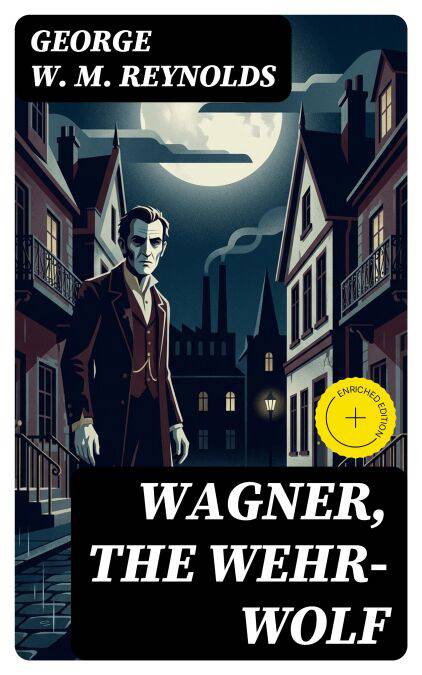
In "Wagner, the Wehr-Wolf," George W. M. Reynolds intertwines supernatural elements with socio-political commentary in a narrative that aligns itself with the burgeoning Gothic fiction of the 19th century. The story centers around the titular character, Wagner, an enigmatic figure imbued with the powers of a werewolf, who grapples with themes of morality, vengeance, and the human condition against a backdrop of societal upheaval. Reynolds employs a rich, descriptive prose style that immerses readers in a darkly atmospheric world, filled with tension and moral ambiguity, reflective of contemporary anxieties of the time, including class struggle and the question of identity in a rapidly modernizing society. George W. M. Reynolds was an influential figure in the Victorian literary scene, known for his serialized novels that often addressed societal issues through imaginative storytelling. He was a vocal advocate for social reform, which may have influenced his decision to blend Gothic horror with serious social themes in "Wagner, the Wehr-Wolf." His unique perspective as a working-class writer allowed him to challenge middle-class norms and explore the darker facets of human nature, making his narratives both entertaining and thought-provoking. This remarkable novel is highly recommended for readers interested in the intersection of Gothic literature and social critique. Reynolds's masterful storytelling and profound insights make "Wagner, the Wehr-Wolf" not just a thrilling tale of horror but also a reflective commentary on the complexities of society and individual agency. Its resonances with contemporary themes ensure that it remains relevant and compelling for modern readers.
In this enriched edition, we have carefully created added value for your reading experience:
- A succinct Introduction situates the work's timeless appeal and themes.
- The Synopsis outlines the central plot, highlighting key developments without spoiling critical twists.
- A detailed Historical Context immerses you in the era's events and influences that shaped the writing.
- A thorough Analysis dissects symbols, motifs, and character arcs to unearth underlying meanings.
- Reflection questions prompt you to engage personally with the work's messages, connecting them to modern life.
- Hand‐picked Memorable Quotes shine a spotlight on moments of literary brilliance.
- Interactive footnotes clarify unusual references, historical allusions, and archaic phrases for an effortless, more informed read.
In this enriched edition, we have carefully created added value for your reading experience:
- A succinct Introduction situates the work's timeless appeal and themes.
- The Synopsis outlines the central plot, highlighting key developments without spoiling critical twists.
- A detailed Historical Context immerses you in the era's events and influences that shaped the writing.
- A thorough Analysis dissects symbols, motifs, and character arcs to unearth underlying meanings.
- Reflection questions prompt you to engage personally with the work's messages, connecting them to modern life.
- Hand‐picked Memorable Quotes shine a spotlight on moments of literary brilliance.
- Interactive footnotes clarify unusual references, historical allusions, and archaic phrases for an effortless, more informed read.
Specificaties
Betrokkenen
- Auteur(s):
- Uitgeverij:
Inhoud
- Aantal bladzijden:
- 485
- Taal:
- Engels
Eigenschappen
- Productcode (EAN):
- 8596547135166
- Verschijningsdatum:
- 31/07/2022
- Uitvoering:
- E-book
- Beveiligd met:
- Digital watermarking
- Formaat:
- ePub



Alleen bij Standaard Boekhandel
+ 1 punten op je klantenkaart van Standaard Boekhandel
Wedstrijd


Beoordelingen
We publiceren alleen reviews die voldoen aan de voorwaarden voor reviews. Bekijk onze voorwaarden voor reviews.