



- Afhalen na 1 uur in een winkel met voorraad
- In januari gratis thuislevering in België
- Ruim aanbod met 7 miljoen producten
- Afhalen na 1 uur in een winkel met voorraad
- In januari gratis thuislevering in België
- Ruim aanbod met 7 miljoen producten





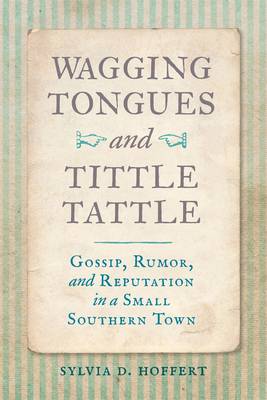
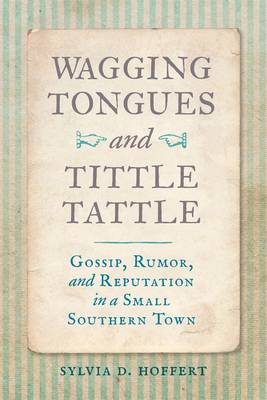
Wagging Tongues and Tittle Tattle
Gossip, Rumor, and Reputation in a Small Southern Town
Sylvia D Hoffert
Paperback | Engels
€ 45,95
+ 91 punten
Uitvoering
Omschrijving
In Wagging Tongues and Tittle Tattle, Sylvia Hoffert calls on a particularly rich collection of primary sources, including diaries, letters, oral histories, census data, court documents, church records, and psychiatric hospital logs, all relating to Hillsborough, North Carolina, to argue that gossip and rumor were central to the formation of interpersonal relationships and an integral part of small-town life in the antebellum South. They exposed the insecurities and anxieties of the town's inhabitants. Indeed, they served as important weapons in the power struggle between the white slaveholding elite--who tried to exert, maintain, and consolidate their control over community life--and the Black, white, and mixed-race men and women, free and enslaved, who did their best to challenge the socioeconomic status quo. And they exposed fissures in the social fabric that discretion, good manners, and historical amnesia could not obscure. The result was that, on a day-to-day basis, the shady streets of Hillsborough may have seemed peaceful to the casual observer. But underneath all that tranquility, the town was ripe with competition and conflict as the inhabitants used gossip to negotiate relationships with their neighbors and make places for themselves in the social, economic, and political hierarchy of the community.
Specificaties
Betrokkenen
- Auteur(s):
- Uitgeverij:
Inhoud
- Aantal bladzijden:
- 228
- Taal:
- Engels
Eigenschappen
- Productcode (EAN):
- 9780820374970
- Verschijningsdatum:
- 15/11/2025
- Uitvoering:
- Paperback
- Formaat:
- Trade paperback (VS)
- Afmetingen:
- 152 mm x 229 mm
- Gewicht:
- 308 g


Alleen bij Standaard Boekhandel
+ 91 punten op je klantenkaart van Standaard Boekhandel
Cadeau

AANGERADEN


Beoordelingen
We publiceren alleen reviews die voldoen aan de voorwaarden voor reviews. Bekijk onze voorwaarden voor reviews.