


- Afhalen na 1 uur in een winkel met voorraad
- Gratis thuislevering in België vanaf € 30
- Ruim aanbod met 7 miljoen producten
- Afhalen na 1 uur in een winkel met voorraad
- Gratis thuislevering in België vanaf € 30
- Ruim aanbod met 7 miljoen producten





€ 105,45
+ 210 punten
Eenvoudig bestellen
Veilig betalen


Gratis thuislevering vanaf € 30 (via bpost)
Gratis levering in je Standaard Boekhandel
Omschrijving
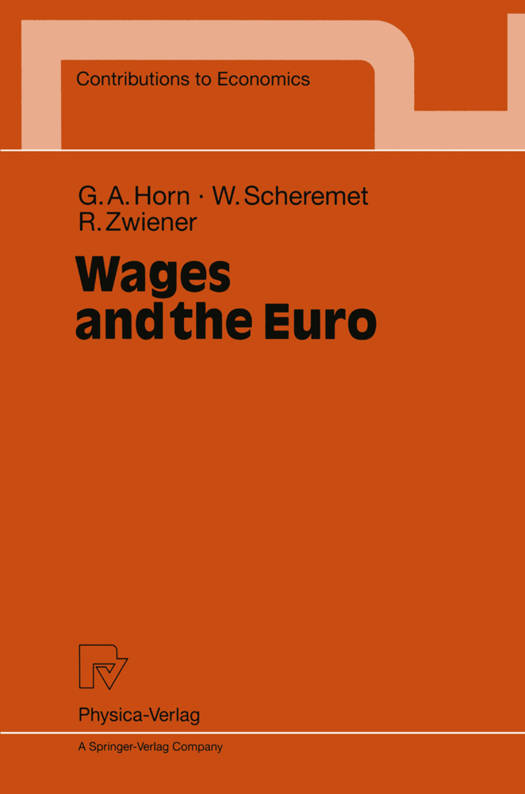
With the abolition of exchange rates the role of wage formation in the European Monetary Union changes fundamentally and national economic policy in particular fiscal policy faces new restrictions. These are analysed in the first two chapters. A major impact is expected for wage formation. To achieve a convergence of economic developments wage finding has to follow in all EMU member countries basically the same rules. An empirical investigation using econometric methods show that this is presently not yet the case. In particular in the southern European countries wage finding is different from that in the rest of the EMU. Frequently the introduction of Euro is perceived as a signal to lower wages all over Europe to overcome the dismal employment situation. The book addresses the question whether such a race for lower wages is appropriate in terms of employment creation.
Specificaties
Betrokkenen
- Auteur(s):
- Uitgeverij:
Inhoud
- Aantal bladzijden:
- 143
- Taal:
- Engels
- Reeks:
Eigenschappen
- Productcode (EAN):
- 9783790811995
- Verschijningsdatum:
- 15/04/1999
- Uitvoering:
- Paperback
- Formaat:
- Trade paperback (VS)
- Afmetingen:
- 156 mm x 237 mm
- Gewicht:
- 249 g


Alleen bij Standaard Boekhandel
+ 210 punten op je klantenkaart van Standaard Boekhandel
CADEAU

AANGERADEN


Beoordelingen
We publiceren alleen reviews die voldoen aan de voorwaarden voor reviews. Bekijk onze voorwaarden voor reviews.