



- Afhalen na 1 uur in een winkel met voorraad
- In januari gratis thuislevering in België
- Ruim aanbod met 7 miljoen producten
- Afhalen na 1 uur in een winkel met voorraad
- In januari gratis thuislevering in België
- Ruim aanbod met 7 miljoen producten





€ 26,45
+ 52 punten
Uitvoering
Omschrijving
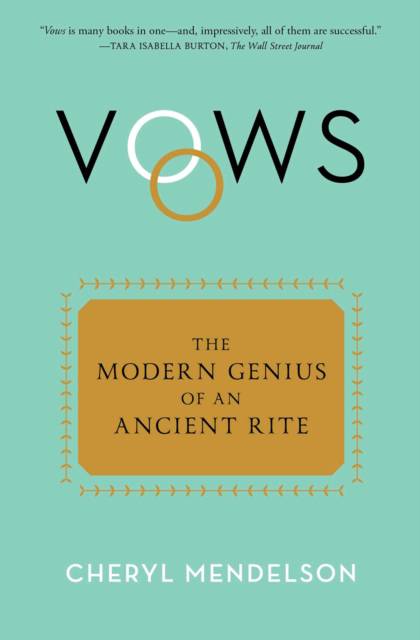
From the bestselling author of Home Comforts comes the "timely" (The New Yorker), "fascinating, and morally serious," (The Wall Street Journal) story of our wedding vows--what they mean and why they still matter.In the West, marrying is so thoroughly identified with ceremonial promises that "taking vows" is a synonym for getting married. So, it's a surprise to realize that this custom is actually a historical and anthropological oddity. Most of the world, for most of history, married without making promises. And there's a reason for that. Marriage by vow presupposes free choice, and free choice makes a love-match possible. It is a very modern arrangement. Vows is both a moving memoir of two marriages and an "illuminating" (Publishers Weekly, starred review) meditation on marriage itself. Cheryl Mendelson tackles the sociology of commitment through our most traditional promises and shows why they endure. In considering the kind of marriage these vows entail, she helps answer some of life's most urgent and personal questions: Could I, would I, or should I make these promises to someone? Using history and literature, the book describes the parameters of the behavior that traditional vows promise and, in doing so, answers a whole series of other questions: Why did wedding-by-vow arise only in the West? Why are they recited in weddings around the world today? Why have these vows lasted for nearly a thousand years? Why does the kind of marriage promised in the vows survive?
Specificaties
Betrokkenen
- Auteur(s):
- Uitgeverij:
Inhoud
- Aantal bladzijden:
- 256
- Taal:
- Engels
Eigenschappen
- Productcode (EAN):
- 9781668021576
- Verschijningsdatum:
- 6/05/2025
- Uitvoering:
- Paperback
- Formaat:
- Trade paperback (VS)
- Afmetingen:
- 140 mm x 211 mm
- Gewicht:
- 226 g


Alleen bij Standaard Boekhandel
+ 52 punten op je klantenkaart van Standaard Boekhandel
Cadeau

AANGERADEN


Beoordelingen
We publiceren alleen reviews die voldoen aan de voorwaarden voor reviews. Bekijk onze voorwaarden voor reviews.