


- Afhalen na 1 uur in een winkel met voorraad
- Gratis thuislevering in België vanaf € 30
- Ruim aanbod met 7 miljoen producten
- Afhalen na 1 uur in een winkel met voorraad
- Gratis thuislevering in België vanaf € 30
- Ruim aanbod met 7 miljoen producten





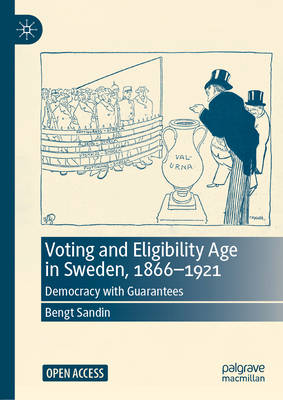
Voting and Eligibility Age in Sweden, 1866-1921
Democracy with Guarantees
Bengt Sandin
Hardcover | Engels
€ 54,45
+ 108 punten
Eenvoudig bestellen
Veilig betalen


Gratis thuislevering vanaf € 30 (via bpost)
Gratis levering in je Standaard Boekhandel
Omschrijving
This open access book explores the background to the electoral reforms of 1907-1921 in Sweden, when the voting age was raised from 21 years to 23 for the second chamber and the municipalities, and to 27 for the county councils and the first chamber. This increase in voting ages was unique in an international context. Previous research and contemporary conservative and liberal rhetoric argued that the increase in the voting age was socially and politically neutral. This book questions that view. The liberal and conservative parties launched universal suffrage reforms and raised the voting age to exclude the young, unestablished and unmarried parts of the population. The ambition was to limit the increasing political influence of the cities and the working class. A higher voting and eligibility age would limit the negative effects of universal suffrage. The changes were also an effect of the tension between town and country and the consequence of a long-term demographic transformation with profound effects on the social and pollical structure of the nation.
Specificaties
Betrokkenen
- Auteur(s):
- Uitgeverij:
Inhoud
- Aantal bladzijden:
- 307
- Taal:
- Engels
Eigenschappen
- Productcode (EAN):
- 9783031952753
- Verschijningsdatum:
- 9/12/2025
- Uitvoering:
- Hardcover
- Formaat:
- Genaaid
- Afmetingen:
- 148 mm x 210 mm
- Gewicht:
- 539 g


Alleen bij Standaard Boekhandel
+ 108 punten op je klantenkaart van Standaard Boekhandel
CADEAU

AANGERADEN


Beoordelingen
We publiceren alleen reviews die voldoen aan de voorwaarden voor reviews. Bekijk onze voorwaarden voor reviews.