


- Afhalen na 1 uur in een winkel met voorraad
- Gratis thuislevering in België vanaf € 30
- Ruim aanbod met 7 miljoen producten
- Afhalen na 1 uur in een winkel met voorraad
- Gratis thuislevering in België vanaf € 30
- Ruim aanbod met 7 miljoen producten





€ 115,45
+ 230 punten
Omschrijving
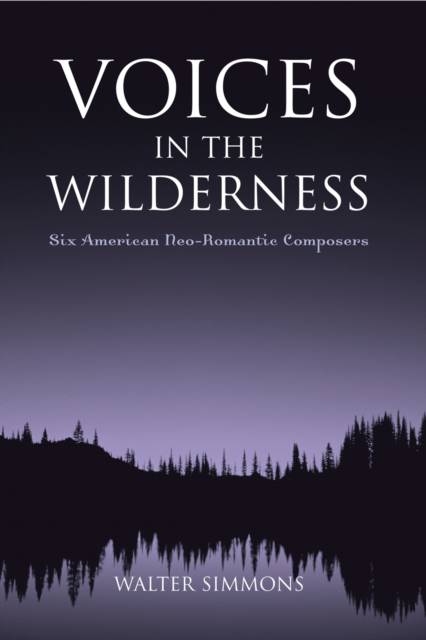
Despite the Modernist search for new and innovative aesthetics and rejection of traditional tonality, several twentieth century composers have found their own voice while steadfastly relying on the aesthetics and techniques of Romanticism and 19th century composition principles. Musicological and reference texts have regarded these composers as isolated exceptions to modern thoughts of composition_exceptions of little importance, treated simplistically and superficially. Music critic and scholar Walter Simmons, however, believes these composers and their works should be taken seriously. They are worthy of more scholarly consideration, and deserve proper analysis, assessment, and discussion in their own regard. In Voices in the Wilderness, the first in a series of books celebrating the 'Twentieth-Century Traditionalist, ' Simmons looks at six Neo-Romantic composers: Ernest Bloch Howard Hanson Vittorio Giannini Paul Creston Samuel Barber Nicolas Flagello Through biographical overviews and a comprehensive assessment of musical works, Simmons provides readers with a clear understanding of the significance of the composers, their bodies of work, and their placement in musicological history. The chapters delve deeply and objectively into each composer's oeuvre, addressing their origins, stylistic traits and consistencies, phases of development, strengths and weaknesses, and affinities with other composers. The composers' most representative works are identified, and each chapter concludes with a discography of essential recordings. Visit the author's website to read samples from the book and to listen to representative excerpts of each composer's work.
Specificaties
Betrokkenen
- Auteur(s):
- Uitgeverij:
Inhoud
- Aantal bladzijden:
- 432
- Taal:
- Engels
- Reeks:
Eigenschappen
- Productcode (EAN):
- 9780810857285
- Verschijningsdatum:
- 24/02/2006
- Uitvoering:
- Paperback
- Formaat:
- Trade paperback (VS)
- Afmetingen:
- 162 mm x 213 mm
- Gewicht:
- 571 g


Alleen bij Standaard Boekhandel
+ 230 punten op je klantenkaart van Standaard Boekhandel
Cadeau

AANGERADEN


Beoordelingen
We publiceren alleen reviews die voldoen aan de voorwaarden voor reviews. Bekijk onze voorwaarden voor reviews.