


- Afhalen na 1 uur in een winkel met voorraad
- Gratis thuislevering in België vanaf € 30
- Ruim aanbod met 7 miljoen producten
- Afhalen na 1 uur in een winkel met voorraad
- Gratis thuislevering in België vanaf € 30
- Ruim aanbod met 7 miljoen producten





€ 220,45
+ 440 punten
Omschrijving
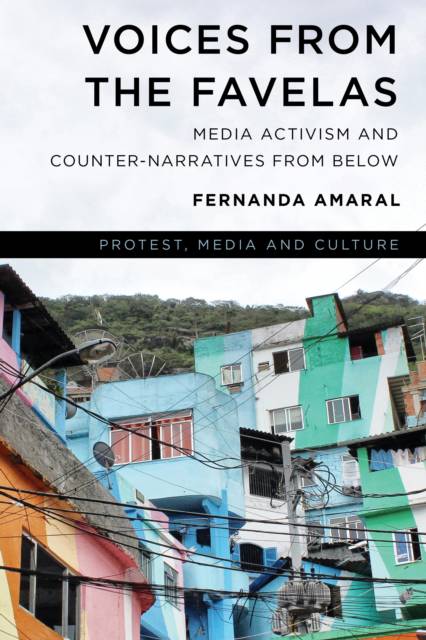
The mainstream media in Brazil portrays favelas (unregulated low-income neighbourhoods) in a negative light. This has been the case since their emergence over a century ago. Voices from the Favelas navigates through the contemporary representation of the favelas in the established media, discussing how this partial representation impacts issues of identity and social segregation, the legitimation of structural violence in those sites, and providing an account of the recent emergence of digital social networks as "counterpublics". In order to understand the struggle against the characterisation of the favela as a site dominated by violence (a framework which has been disseminated on a global scale and accepted as the norm), this book will take its readers inside the mindset of the favela media activists, examining the production of information and the organisation of the residents as they resist and challenge the status quo. Are the activists able to counteract the official narrative in the struggles against misrepresentation and social invisibility, or is the mainstream version of the favela still strong enough to help in the legitimation of the institutionalised violence?
Specificaties
Betrokkenen
- Auteur(s):
- Uitgeverij:
Inhoud
- Aantal bladzijden:
- 198
- Taal:
- Engels
- Reeks:
Eigenschappen
- Productcode (EAN):
- 9781538147436
- Verschijningsdatum:
- 11/03/2021
- Uitvoering:
- Hardcover
- Formaat:
- Genaaid
- Afmetingen:
- 152 mm x 229 mm
- Gewicht:
- 435 g


Alleen bij Standaard Boekhandel
+ 440 punten op je klantenkaart van Standaard Boekhandel
AANGERADEN


Beoordelingen
We publiceren alleen reviews die voldoen aan de voorwaarden voor reviews. Bekijk onze voorwaarden voor reviews.