


- Afhalen na 1 uur in een winkel met voorraad
- Gratis thuislevering in België vanaf € 30
- Ruim aanbod met 7 miljoen producten
- Afhalen na 1 uur in een winkel met voorraad
- Gratis thuislevering in België vanaf € 30
- Ruim aanbod met 7 miljoen producten





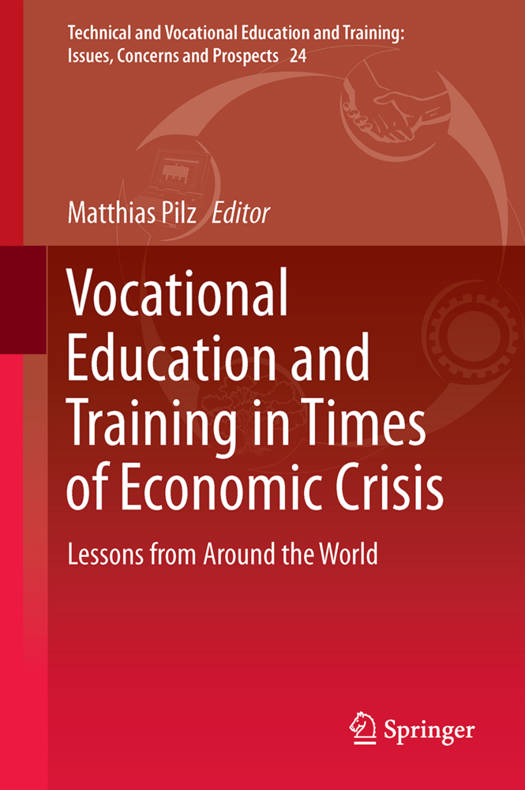
Vocational Education and Training in Times of Economic Crisis
Lessons from Around the World
Hardcover | Engels | Technical and Vocational Education and Training: Issues, Concerns and Prospects | nr. 24
€ 162,45
+ 324 punten
Omschrijving
This book brings together a broad range of approaches and methodologies relevant to international comparative vocational education and training (VET). If the quality of VET is high and the status and job expectations are good, VET can help to fill the skills gap, especially at the intermediate skill level.
Specificaties
Betrokkenen
- Uitgeverij:
Inhoud
- Aantal bladzijden:
- 490
- Taal:
- Engels
- Reeks:
- Reeksnummer:
- nr. 24
Eigenschappen
- Productcode (EAN):
- 9783319478548
- Verschijningsdatum:
- 30/12/2016
- Uitvoering:
- Hardcover
- Afmetingen:
- 155 mm x 31 mm
- Gewicht:
- 904 g

Alleen bij Standaard Boekhandel
+ 324 punten op je klantenkaart van Standaard Boekhandel
AANGERADEN


Beoordelingen
We publiceren alleen reviews die voldoen aan de voorwaarden voor reviews. Bekijk onze voorwaarden voor reviews.