


- Afhalen na 1 uur in een winkel met voorraad
- Gratis thuislevering in België vanaf € 30
- Ruim aanbod met 7 miljoen producten
- Afhalen na 1 uur in een winkel met voorraad
- Gratis thuislevering in België vanaf € 30
- Ruim aanbod met 7 miljoen producten




€ 12,95
+ 25 punten
Omschrijving
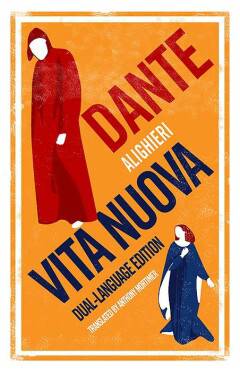
The Vita Nuova, with its unusual blend of prose and poetry, is universally recognized as Dante's early masterpiece and provides an indispensable prequel to The Divine Comedy. Set in thirteenth-century Florence, part autobiography and part religious allegory, it traces Dante's quest to find a poetic idiom worthy of Beatrice, whom he had loved since boyhood. Her premature death plunges him into an emotional turmoil that finds release only through his faith in her continuing spiritual influence and through his determination "to write of her what has never been written of any woman". The Vita Nuova remains a central document in European culture's examination of love and the self. It is a hundred and fifty years since Dante Gabriel Rossetti's groundbreaking version of the Vita Nuova. Now Anthony Mortimer, already acclaimed as translator of Cavalcanti, Petrarch and Michelangelo, produces a verse translation that avoids Rossetti's disturbing archaisms but preserves a lyric immediacy worthy of the original. This is a Vita Nuova for the twenty-first century.
Specificaties
Betrokkenen
- Auteur(s):
- Vertaler(s):
- Uitgeverij:
Inhoud
- Aantal bladzijden:
- 144
- Taal:
- Engels
Eigenschappen
- Productcode (EAN):
- 9781847496959
- Verschijningsdatum:
- 14/08/2018
- Uitvoering:
- Paperback
- Formaat:
- Trade paperback (VS)
- Afmetingen:
- 127 mm x 196 mm
- Gewicht:
- 272 g


Alleen bij Standaard Boekhandel
+ 25 punten op je klantenkaart van Standaard Boekhandel
CADEAU

AANGERADEN


Beoordelingen
We publiceren alleen reviews die voldoen aan de voorwaarden voor reviews. Bekijk onze voorwaarden voor reviews.