


- Afhalen na 1 uur in een winkel met voorraad
- Gratis thuislevering in België vanaf € 30
- Ruim aanbod met 7 miljoen producten
- Afhalen na 1 uur in een winkel met voorraad
- Gratis thuislevering in België vanaf € 30
- Ruim aanbod met 7 miljoen producten




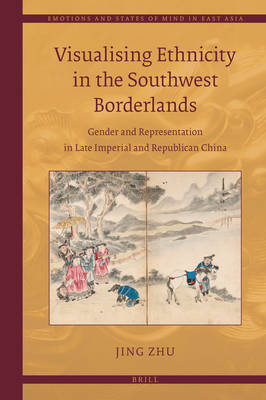
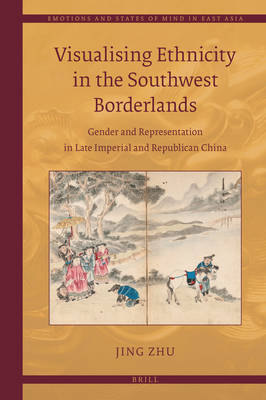
Visualising Ethnicity in the Southwest Borderlands
Gender and Representation in Late Imperial and Republican China
Jing Zhu
€ 229,45
+ 458 punten
Omschrijving
This book explores the mutual constitutions of visuality and empire from the perspective of gender, probing how the lives of China's ethnic minorities at the southwest frontiers were translated into images. Two sets of visual materials make up its core sources: the Miao album, a genre of ethnographic illustration depicting the daily lives of non-Han peoples in late imperial China, and the ethnographic photographs found in popular Republican-era periodicals. It highlights gender ideals within images and develops a set of "visual grammar" of depicting the non-Han. Casting new light on a spectrum of gendered themes, including femininity, masculinity, sexuality, love, body and clothing, the book examines how the power constructed through gender helped to define, order, popularise, celebrate and imagine possessions of empire.
Specificaties
Betrokkenen
- Auteur(s):
- Uitgeverij:
Inhoud
- Aantal bladzijden:
- 330
- Taal:
- Engels
- Reeks:
- Reeksnummer:
- nr. 9
Eigenschappen
- Productcode (EAN):
- 9789004422759
- Verschijningsdatum:
- 6/02/2020
- Uitvoering:
- Hardcover
- Formaat:
- Genaaid
- Afmetingen:
- 163 mm x 239 mm
- Gewicht:
- 793 g


Alleen bij Standaard Boekhandel
+ 458 punten op je klantenkaart van Standaard Boekhandel
CADEAU


Beoordelingen
We publiceren alleen reviews die voldoen aan de voorwaarden voor reviews. Bekijk onze voorwaarden voor reviews.