


- Afhalen na 1 uur in een winkel met voorraad
- Gratis thuislevering in België vanaf € 30
- Ruim aanbod met 7 miljoen producten
- Afhalen na 1 uur in een winkel met voorraad
- Gratis thuislevering in België vanaf € 30
- Ruim aanbod met 7 miljoen producten





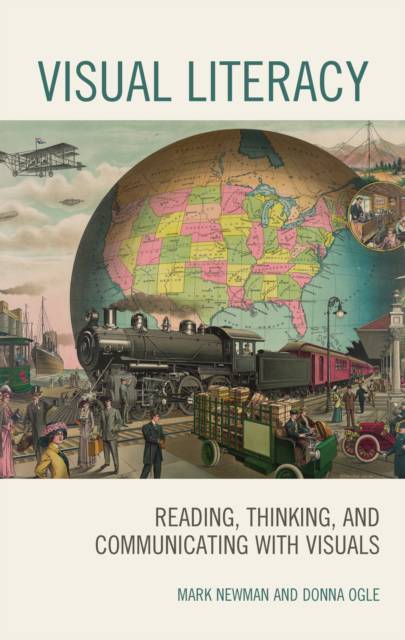
Visual Literacy
Reading, Thinking, and Communicating with Visuals
Mark Newman, Donna Ogle
Hardcover | Engels
€ 186,95
+ 373 punten
Uitvoering
Omschrijving
Visual Literacy examines how teachers can use visuals to improve learning for all students. It provides teachers with a foundation in visual literacy, defined as the ability to read, think, and communicate with visually presented information. Results of studies of students' using visual information indicate that most students are clearly lacking in the tools needed to use visuals effectively. The book orients teachers to visual literacy and the world of visuals. It discusses various classroom tested strategies and activities for all students, including second language learners, and students with special needs. Stressing visual literacy skills helps students understand a visual more deeply so they can master the content they are learning. Teachers will learn to employ a literacy triad of reading, thinking, and communicating to aid students in their study of visuals. First, they inquire into the visual, reading it for content and context, including assessing the authenticity of the document. Second, they think about the document by analyzing, interpreting, and evaluating it to come up with answers to their inquiry. Graphic organizers help students decipher the content and understand the meaning of the visual document, connecting it to prior and future instruction. Third, they communicate their findings using visuals.
Specificaties
Betrokkenen
- Auteur(s):
- Uitgeverij:
Inhoud
- Aantal bladzijden:
- 198
- Taal:
- Engels
Eigenschappen
- Productcode (EAN):
- 9781475840100
- Verschijningsdatum:
- 31/10/2019
- Uitvoering:
- Hardcover
- Formaat:
- Genaaid
- Afmetingen:
- 152 mm x 229 mm
- Gewicht:
- 462 g


Alleen bij Standaard Boekhandel
+ 373 punten op je klantenkaart van Standaard Boekhandel
Cadeau

AANGERADEN


Beoordelingen
We publiceren alleen reviews die voldoen aan de voorwaarden voor reviews. Bekijk onze voorwaarden voor reviews.