


- Afhalen na 1 uur in een winkel met voorraad
- Gratis thuislevering in België vanaf € 30
- Ruim aanbod met 7 miljoen producten
- Afhalen na 1 uur in een winkel met voorraad
- Gratis thuislevering in België vanaf € 30
- Ruim aanbod met 7 miljoen producten





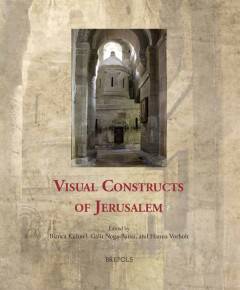
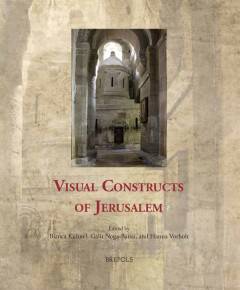
Visual Constructs of Jerusalem
Bianca Kühnel
€ 190,80
+ 381 punten
Omschrijving
The special position of Jerusalem among the cities of the world stems from a long history shared by the three Abrahamic religions, and the belief that the city reflected a heavenly counterpart. Because of this unique combination, Jerusalem is generally seen as extending along a vertical axis stretching between past, present, and future. However, through its many 'earthly' representations, Jerusalem has an equally important horizontal dimension: it is represented elsewhere in all media, from two-dimensional maps to monumental renderings of the architecture and topography of the city's loca sancta. In documenting the increasing emphasis on studying the earthly proliferations of the city, the current book witnesses a shift in theoretical and methodological insights since the publication of The Real and Ideal Jerusalem in Jewish, Christian, and Islamic Art in 1998. Its main focus is on European translations of Jerusalem in images, objects, places, and spaces that evoke the city through some physical similarity or by denomination and cult - all visual and material aids to commemoration and worship from afar. The book discusses both well-known and long-neglected examples, the forms of cult they generate and the virtual pilgrimages they serve, and calls attention to their written and visual equivalents and companions. In so doing, it opens a whole new vista onto the summa of representations of Jerusalem.
Specificaties
Betrokkenen
- Auteur(s):
- Uitgeverij:
Inhoud
- Aantal bladzijden:
- 530
- Taal:
- Engels
- Reeks:
- Reeksnummer:
- nr. 18
Eigenschappen
- Productcode (EAN):
- 9782503551043
- Verschijningsdatum:
- 18/03/2015
- Uitvoering:
- Paperback
- Formaat:
- Trade paperback (VS)
- Afmetingen:
- 213 mm x 277 mm
- Gewicht:
- 1882 g


Alleen bij Standaard Boekhandel
+ 381 punten op je klantenkaart van Standaard Boekhandel
Cadeau

AANGERADEN


Beoordelingen
We publiceren alleen reviews die voldoen aan de voorwaarden voor reviews. Bekijk onze voorwaarden voor reviews.