


- Afhalen na 1 uur in een winkel met voorraad
- Gratis thuislevering in België vanaf € 30
- Ruim aanbod met 7 miljoen producten
- Afhalen na 1 uur in een winkel met voorraad
- Gratis thuislevering in België vanaf € 30
- Ruim aanbod met 7 miljoen producten





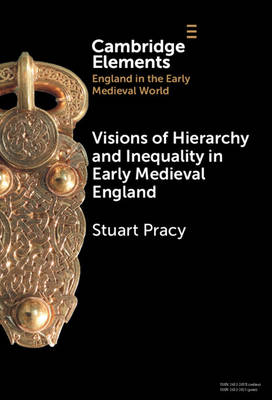
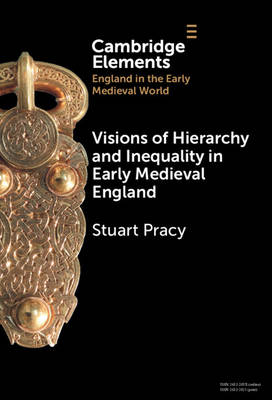
Visions of Hierarchy and Inequality in Early Medieval England
Stuart Pracy
€ 124,45
+ 248 punten
Uitvoering
Omschrijving
This Element examines the sociopolitical hierarchy of England in the tenth and eleventh centuries, focusing upon the plasticity of the boundary between the ranks of ceorl and thegn. Offering a nuanced analysis of terms such as ceorl and thegn in both earlymedieval texts and modern scholarship, the Element highlights the mechanisms that allowed these non-institutional signifiers to hold such socialweight while conferring few tangible benefits. To better describe the relative social positions, the author argues that a compound method is preferable, supporting this proposal via a thorough deconstruction of writings by Archbishop Wulfstan II of York - responsible for many of scholars' ideas about rank in the period - and the examination of sources that evidence a blurring of 'middling' social boundaries across the two centuries under discussion. Together, these strands of interrogation allow for a fuller understanding of how status was constructed in earlymedieval England.
Specificaties
Betrokkenen
- Auteur(s):
- Uitgeverij:
Inhoud
- Aantal bladzijden:
- 82
- Taal:
- Engels
- Reeks:
Eigenschappen
- Productcode (EAN):
- 9781009494571
- Verschijningsdatum:
- 16/01/2025
- Uitvoering:
- Hardcover
- Formaat:
- Genaaid
- Afmetingen:
- 152 mm x 229 mm
- Gewicht:
- 285 g


Alleen bij Standaard Boekhandel
+ 248 punten op je klantenkaart van Standaard Boekhandel
CADEAU

AANGERADEN


Beoordelingen
We publiceren alleen reviews die voldoen aan de voorwaarden voor reviews. Bekijk onze voorwaarden voor reviews.