


- Afhalen na 1 uur in een winkel met voorraad
- Gratis thuislevering in België vanaf € 30
- Ruim aanbod met 7 miljoen producten
- Afhalen na 1 uur in een winkel met voorraad
- Gratis thuislevering in België vanaf € 30
- Ruim aanbod met 7 miljoen producten





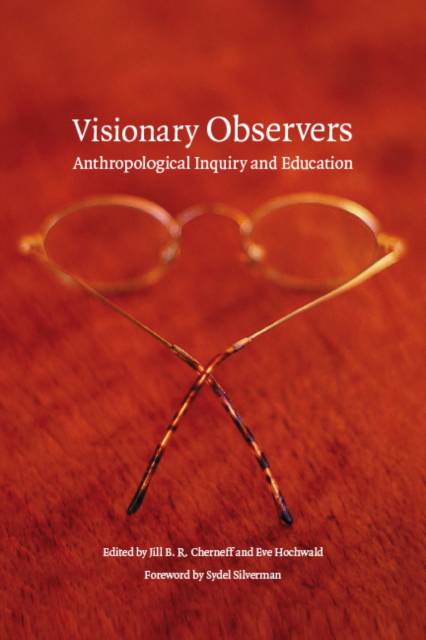
Visionary Observers
Anthropological Inquiry and Education
€ 45,95
+ 91 punten
Omschrijving
Visionary Observers explores the relationship between anthropology and public policy, examining the careers of nine twentieth-century American anthropologists who made important contributions to debates about race, ethnicity, socialization, and education. Included are Franz Boas, the founder of American anthropology; Ruth Benedict, who analyzed modern societies during and after World War II; Margaret Mead, anthropology's most recognized public educator; Gene Weltfish, whose "pragmatic anthropology" positioned education at the core of culture; Hortense Powdermaker, whose fieldwork embraced Black America, Hollywood, and the Pacific; Solon Kimball, who studied the impact of desegregation; Ruth Landes, who adopted a cultural approach to educating teachers; Jules Henry, who analyzed the institutional consequences of imposing middle-class culture; and Eleanor Leacock, who pioneered "advocacy anthropology." The questions they asked--about culture and human behavior, democracy and inequality, and systemic function and disjunction--and the dilemmas they faced as citizen-scientists are recurrent ones. The topics they addressed illustrate how the lens of American anthropology has long been focused on domestic issues. Through its emphasis on anthropologists as practitioners as well as theorists, this anthology adds a new dimension to the history and development of anthropology in the United States.
Specificaties
Betrokkenen
- Uitgeverij:
Inhoud
- Aantal bladzijden:
- 262
- Taal:
- Engels
- Reeks:
Eigenschappen
- Productcode (EAN):
- 9780803264649
- Verschijningsdatum:
- 1/12/2006
- Uitvoering:
- Paperback
- Formaat:
- Trade paperback (VS)
- Afmetingen:
- 155 mm x 229 mm
- Gewicht:
- 390 g

Alleen bij Standaard Boekhandel
+ 91 punten op je klantenkaart van Standaard Boekhandel
Cadeau

AANGERADEN


Beoordelingen
We publiceren alleen reviews die voldoen aan de voorwaarden voor reviews. Bekijk onze voorwaarden voor reviews.