


- Afhalen na 1 uur in een winkel met voorraad
- Gratis thuislevering in België vanaf € 30
- Ruim aanbod met 7 miljoen producten
- Afhalen na 1 uur in een winkel met voorraad
- Gratis thuislevering in België vanaf € 30
- Ruim aanbod met 7 miljoen producten





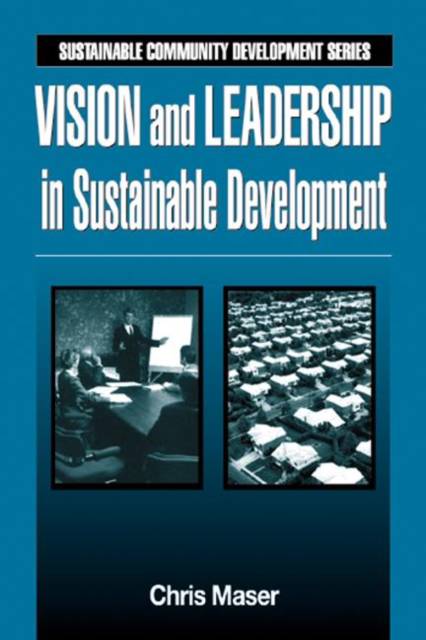
Vision and Leadership in Sustainable Development
Chris Maser
€ 99,45
+ 198 punten
Eenvoudig bestellen
Veilig betalen


Gratis thuislevering vanaf € 30 (via bpost)
Gratis levering in je Standaard Boekhandel
Omschrijving
Effective leadership-or lack of it-makes a critical difference in the conception, implementation, and endurance of community endeavors.
In his travels as an environmental consultant and lecturer, Chris Maser has seen the dilemma many times: "I have taken part in so-called community visioning processes, in which it was patently clear that the people conducting the process knew nothing about a vision, or how to create one.
"It has been my experience that the vast majority of people cannot lead because they do not know what the inner qualities of leadership are..."
Vision and Leadership in Sustainable Development explores the seldom-considered philosophical basis behind the models and methods of leadership, pointing the way to the essential qualities it takes to establish a shared vision of community life.
Divided into two parts-shared vision and leadership-Maser explores numerous issues and considerations to cultivate well-rounded leadership, and provide a more substantive blueprint for local activism.
As with the previous and forthcoming volumes in the Sustainable Community Development series, Maser recognizes the increasing importance of local communities to take charge of the issues most directly affecting the environment.
In his travels as an environmental consultant and lecturer, Chris Maser has seen the dilemma many times: "I have taken part in so-called community visioning processes, in which it was patently clear that the people conducting the process knew nothing about a vision, or how to create one.
"It has been my experience that the vast majority of people cannot lead because they do not know what the inner qualities of leadership are..."
Vision and Leadership in Sustainable Development explores the seldom-considered philosophical basis behind the models and methods of leadership, pointing the way to the essential qualities it takes to establish a shared vision of community life.
Divided into two parts-shared vision and leadership-Maser explores numerous issues and considerations to cultivate well-rounded leadership, and provide a more substantive blueprint for local activism.
As with the previous and forthcoming volumes in the Sustainable Community Development series, Maser recognizes the increasing importance of local communities to take charge of the issues most directly affecting the environment.
Specificaties
Betrokkenen
- Auteur(s):
- Uitgeverij:
Inhoud
- Aantal bladzijden:
- 272
- Taal:
- Engels
- Reeks:
- Reeksnummer:
- nr. 6
Eigenschappen
- Productcode (EAN):
- 9781574441888
- Verschijningsdatum:
- 20/08/1998
- Uitvoering:
- Paperback
- Formaat:
- Trade paperback (VS)
- Afmetingen:
- 154 mm x 228 mm
- Gewicht:
- 371 g



Alleen bij Standaard Boekhandel
+ 198 punten op je klantenkaart van Standaard Boekhandel
CADEAU

AANGERADEN


Beoordelingen
We publiceren alleen reviews die voldoen aan de voorwaarden voor reviews. Bekijk onze voorwaarden voor reviews.