


- Afhalen na 1 uur in een winkel met voorraad
- Gratis thuislevering in België vanaf € 30
- Ruim aanbod met 7 miljoen producten
- Afhalen na 1 uur in een winkel met voorraad
- Gratis thuislevering in België vanaf € 30
- Ruim aanbod met 7 miljoen producten





€ 116,60
+ 233 punten
Omschrijving
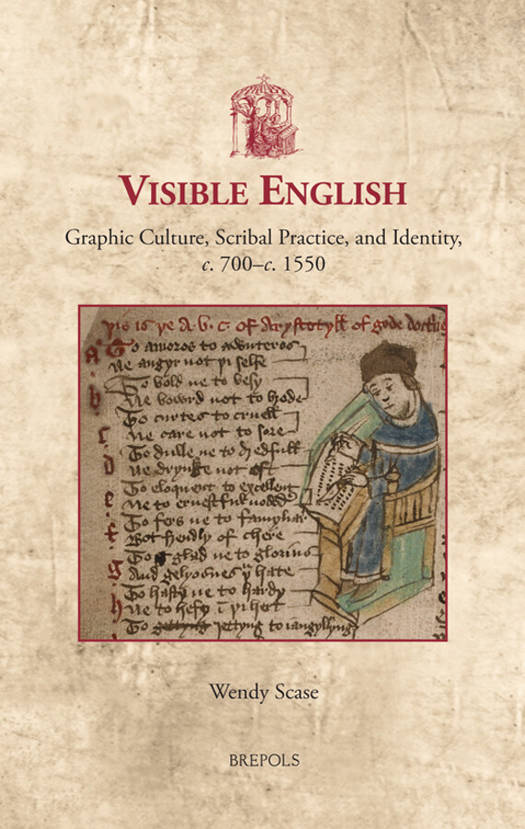
Visible English recovers for the first time the experience of reading and writing the English language in the medieval period through the perspectives of littera pedagogy, the basis of medieval learning and teaching of literate skills in Latin. Littera is at the heart of the set of theories and practices that constitute the 'graphic culture' of the book's title. The book shows for the first time that littera pedagogy was an 'us and them' discourse that functioned as a vehicle for identity formation. Using littera pedagogy as a framework for understanding the medieval English-language corpus from the point of view of the readers and writers who produced it, Visible English offers new insights on experiences of writing and reading English in communities ranging from those first in contact with Latin literacy to those where print was an alternative to manuscript. Discussing a broad range of materials from so-called 'pen-trials' and graffiti to key literary manuscripts, Visible English provides new perspectives on the ways that the alphabet was understood, on genres such as alphabet poems, riddles, and scribal signatures, and on the different ways in which scribes copied Old and Middle English texts. It argues that the graphic culture underpinned and transmitted by littera pedagogy provided frameworks for the development and understanding of English-language literacy practices and new ways of experiencing social belonging and difference. To be literate in English, it proposes, was to inhabit identities marked by Anglophone literate practices.
Specificaties
Betrokkenen
- Auteur(s):
- Uitgeverij:
Inhoud
- Aantal bladzijden:
- 427
- Taal:
- Engels
- Reeks:
- Reeksnummer:
- nr. 54
Eigenschappen
- Productcode (EAN):
- 9782503598420
- Verschijningsdatum:
- 20/10/2022
- Uitvoering:
- Hardcover
- Formaat:
- Genaaid
- Afmetingen:
- 160 mm x 236 mm
- Gewicht:
- 725 g


Alleen bij Standaard Boekhandel
+ 233 punten op je klantenkaart van Standaard Boekhandel
Cadeau

AANGERADEN


Beoordelingen
We publiceren alleen reviews die voldoen aan de voorwaarden voor reviews. Bekijk onze voorwaarden voor reviews.